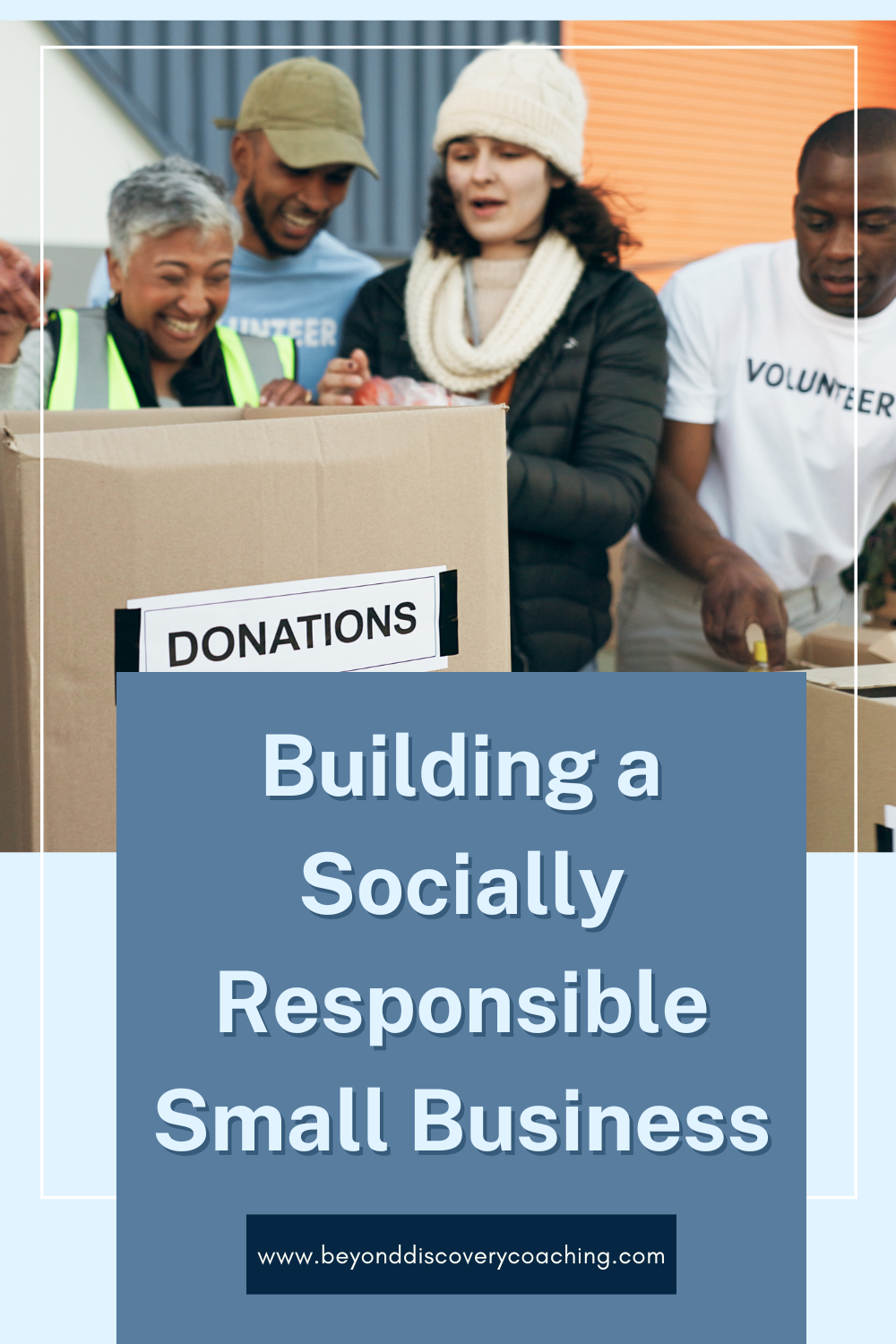
Building a Socially Responsible Small Business

Running a business gives you the chance to decide what you want your work to stand for beyond making a profit. The challenge comes when you want to make a positive difference but aren't sure where that responsibility belongs in an already busy operation. Building a socially responsible small business starts by turning the values you care about into choices that make sense for the company you run. With a clear purpose, you can make that commitment part of your business rather than treating it as something extra.

Define What Responsibility Means
Decide what social responsibility means within the context of your business. Trying to stretch your attention across too many causes can make your efforts difficult to sustain and leave you without a clear sense of purpose.
Think about the values that already influence the way you run your company. If your business has close ties with a particular neighborhood or community, you might start there. When your efforts connect naturally with the people around your business, you can make decisions with a stronger understanding of the needs you're trying to address.
Make Your Values Specific
Broad statements about "giving back" sound positive, but they don't give you much direction when you need to make a real decision. Give your values enough definition that you can use them as a guide.
For example, you might decide that your business wants to support people facing barriers to employment. That focus can help you evaluate future opportunities without starting from scratch every time someone asks for support.
Prioritize Manageable Commitments
It's easy to associate social responsibility with large companies that have dedicated teams and substantial budgets. As a small business owner, you work with a different set of resources. You can still make an impact when you choose commitments that fit your current capacity.
Start with something you can realistically continue. If your business can't support a large annual initiative, a smaller recurring commitment may work better. Consistency can help you develop stronger community relationships because people know they can count on your involvement.
Connect Giving to Real Needs
Good intentions don't automatically create useful support. Before you donate, talk with the organization you want to help. You may find that its most urgent needs differ from what you originally expected.
This matters when you work with local nonprofits and shelters. Organizations often understand their communities at a level that outside supporters can't match, so their guidance can help you direct resources where they'll do the most good.
Ask Before You Act
You don't have to arrive with a fully developed solution. Contact the organization and ask what would support its current work. That conversation may point you toward a much more useful contribution than the one you originally had in mind.
You can also ask about timing. Community needs can shift throughout the year, and an organization may have enough of one resource while facing a shortage somewhere else. When you listen first, you give your contribution a clearer purpose.

Bring Your Team Into It
If you have employees, social responsibility doesn't have to remain an owner-level decision. Your team members may already care deeply about issues in the community, and they can offer perspectives you haven't considered. Giving them a voice can make your efforts more connected to the people who represent your business every day.
If you're deciding what employee involvement could look like, consider options such as:
Paid time for an approved volunteer activity
Team participation in a community event
Employee input on charitable partnerships
Skills-based support for a local nonprofit
Matching contributions within a set budget
Use Your Professional Skills
Writing a check isn't the only way your business can contribute. The knowledge you've developed through your work may hold significant value for an organization that doesn't have access to the same professional resources.
Suppose you run a marketing business and a nonprofit struggles to communicate its mission online. A few hours of professional guidance could help its staff improve that communication without paying for outside consulting. If you're a designer, photographer, or another service-based professional, you may find similar opportunities to contribute through your existing expertise.
This approach can work especially well for freelancers and newer business owners who want to contribute but don't have much room in their budgets. You aren't treating your professional time as worthless. You're choosing to direct some of its value toward a purpose that matters to you.
Consider Your Everyday Decisions
To build a socially responsible small business, pay attention to the everyday decisions that shape your relationships with customers, employees, and your wider community.
Consider whether your business practices reflect the values you talk about publicly. If you emphasize respect for people, that principle should influence the way you communicate with employees and customers. If community involvement matters to you, your calendar and budget should eventually show evidence of that priority.
Look Beyond Public Recognition
You don't need to turn every positive action into promotional content. Sharing community involvement can make sense when it brings attention to a cause or encourages others to participate, but recognition shouldn't become the main objective.
Ask yourself whether you would still make the same decision if nobody outside your business knew about it. That question can help you separate meaningful involvement from activities chosen primarily for appearances.
Measure What You Can Sustain
As your efforts develop, evaluate whether they're working for your business and the people you want to support. You don't need a complicated reporting system. You do need enough information to decide whether a commitment deserves to continue.
Talk with the organizations you've supported and ask whether your contribution helped. You can also check in with employees who participated and consider whether your business managed the commitment without creating unnecessary strain.
Allow yourself to adjust. If one approach doesn't work, you haven't failed at social responsibility; you've gained information that can help you make your next effort more practical.
The strongest approach will fit the values you want your business to represent and make sense within the reality of your work. Give yourself a starting point rather than waiting for a perfect plan.
Over time, those decisions can become part of the kind of business you're proud to run. Your next step can be simple: identify one community need that genuinely matters to you, start a conversation with the people already addressing it, and see where your business can contribute with purpose.