Helpful Tips for Creating Stronger Employee Teams
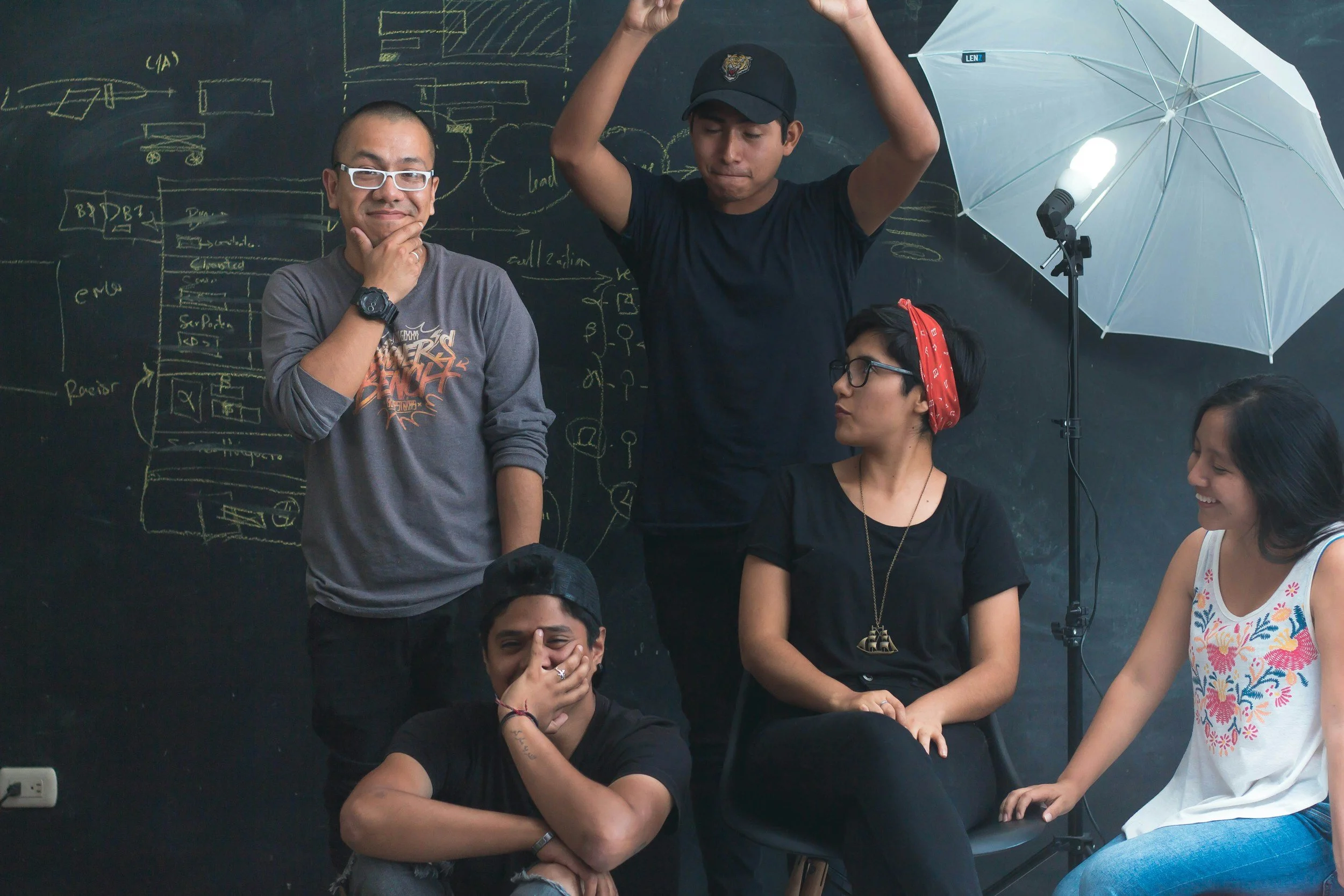
A successful workplace must have people who trust each other, communicate clearly with one another, and feel supported in their roles. However, strong teams rarely happen by accident. Managers must develop them through intentional habits, thoughtful leadership, and a work culture that values collaboration over competition.
Companies that invest in practical strategies for improving teamwork can create a more resilient and positive work environment. Read on to review several helpful tips for creating stronger employee teams so you can have a major impact over time.

Encourage Open Workplace Communication
Clear communication forms the foundation of healthy workplace relationships. Employees who feel comfortable sharing ideas, concerns, and feedback tend to work more effectively together. Managers can encourage stronger communication by creating regular opportunities for conversations that go beyond task updates. Team meetings, informal check-ins, and collaborative discussions help employees feel heard and included.
Communication also improves when workplaces reduce unnecessary complexity. Overloaded email chains and unclear expectations can create frustration between coworkers. Teams perform better when leaders provide direct guidance and encourage employees to ask questions without fear of judgment.
Create Shared Goals for Teams
Another helpful tip for creating stronger employee teams is to develop shared goals. Employees may work harder when they understand how their efforts contribute to a larger purpose. Shared goals help individuals feel connected to the success of the entire team rather than focusing only on personal responsibilities.
Additionally, when coworkers collaborate on common objectives, they are more likely to support one another and communicate effectively. Leaders can also strengthen alignment by making team goals visible and measurable. Employees should understand what success looks like and how leaders will evaluate their progress.
Frequent discussions about priorities can also help teams stay focused during busy periods. This sense of direction fosters greater accountability and encourages employees to work together rather than operate in isolation.
Fairly Address Employee Disputes
Workplace disagreements are difficult to avoid completely, especially when employees work closely together under pressure. Different communication styles, misunderstandings, and competing priorities can create tension between coworkers over time. When disputes go unresolved, they can affect morale, productivity, and trust throughout the team.
Managers play an important role in creating a fair and respectful process for handling disagreements. Employees should feel comfortable discussing concerns without worrying about retaliation or embarrassment.
Open conversations, active listening, and clear expectations can help employees resolve conflicts more constructively. Teams often become stronger when workplaces focus on solutions that encourage understanding rather than blame.
Recognize Individual Contributions
Strong teams need individuals to feel appreciated for their efforts. However, recognition does not always need to come in the form of large rewards or formal programs. A simple acknowledgment of consistent work, creative ideas, or positive teamwork can significantly improve morale. Recognized employees may feel more motivated to contribute to the group.
Recognition also encourages healthier workplace relationships. Coworkers who celebrate one another’s achievements help create a more supportive environment. Managers can strengthen team culture by highlighting collaborative efforts rather than focusing only on individual performance metrics.
Prioritize Worker Well-Being
Employees perform better when they feel physically and mentally supported at work. Long hours, constant stress, and unrealistic expectations can weaken teamwork by increasing frustration and burnout. Companies that prioritize employee well-being may see stronger communication, higher engagement, and improved collaboration across teams.
Wellness support can take many forms. Flexible scheduling, mental health resources, and manageable workloads all contribute to healthier workplace environments. Encouraging employees to maintain boundaries between work and personal life can also improve long-term morale.

Don’t Skip Team-Based Training
Training opportunities can strengthen teams by improving their technical knowledge and interpersonal skills. Group learning experiences encourage employees to solve problems together while building trust in the process.For example, one reason to provide group CPR classes for your employees is that they will help them strengthen connections with one another through shared experiences while improving their ability to act correctly during a crisis. Therefore, training is something that you simply cannot afford not to provide to your workers.
Simplify Your Workplace Processes
Complicated workplace systems can create unnecessary stress for employees and make teamwork more difficult. Confusing procedures, excessive meetings, and unclear expectations can slow down communication and increase frustration across teams. Simplifying daily processes can help teams stay productive while reducing avoidable tension in the workplace.Leaders can improve collaboration by identifying processes that create delays or confusion for employees. Clear communication channels, organized responsibilities, and practical workflows can make teamwork feel more manageable. A workplace that values simplicity and efficiency can create a calmer environment where teams have more energy to focus on cooperation and long-term success.
Build Trust Through Follow-Through
Employees pay close attention to whether leaders follow through on promises and commitments. Trust can weaken quickly when managers repeatedly delay support, overlook concerns, or fail to deliver on expectations they previously discussed.Teams often become frustrated when leadership actions do not match workplace messaging. However, consistent follow-through helps employees feel respected and reassured that their time, effort, and concerns matter.Strong leaders build credibility by taking action on their commitments, even when challenges arise. Employees are more likely to stay engaged when they believe management will provide support, resources, or opportunities as promised. Following through on workplace improvements, professional development plans, and team concerns can create a stronger sense of stability throughout the organization. Over time, reliable leadership helps teams feel more confident, motivated, and connected to their workplace.
Make Space for Constructive Feedback
Healthy feedback allows teams to improve without damaging workplace relationships. Employees benefit from knowing where they are succeeding and where they can grow. Constructive conversations create opportunities for learning while helping coworkers address challenges before they become larger problems.Feedback works best when it feels collaborative instead of punitive. Managers who encourage two-way conversations often create more open and productive teams. Employees should also feel comfortable offering suggestions that improve workflows or communication. A workplace that values respectful feedback tends to develop stronger trust and better long-term teamwork.
Human Connections Lead to Lasting Success
In the end, strong workplace teams grow through consistent support, communication, and shared experiences. Employees who feel respected, connected, and encouraged are more likely to collaborate effectively and contribute positively to the workplace culture.Companies that invest in stronger relationships and meaningful development opportunities can create teams that remain adaptable and engaged over time. As workplaces continue to evolve, organizations that prioritize human connection will be better positioned to build lasting success.