How to Write a Cover Letter That Actually Gets Read in 2026
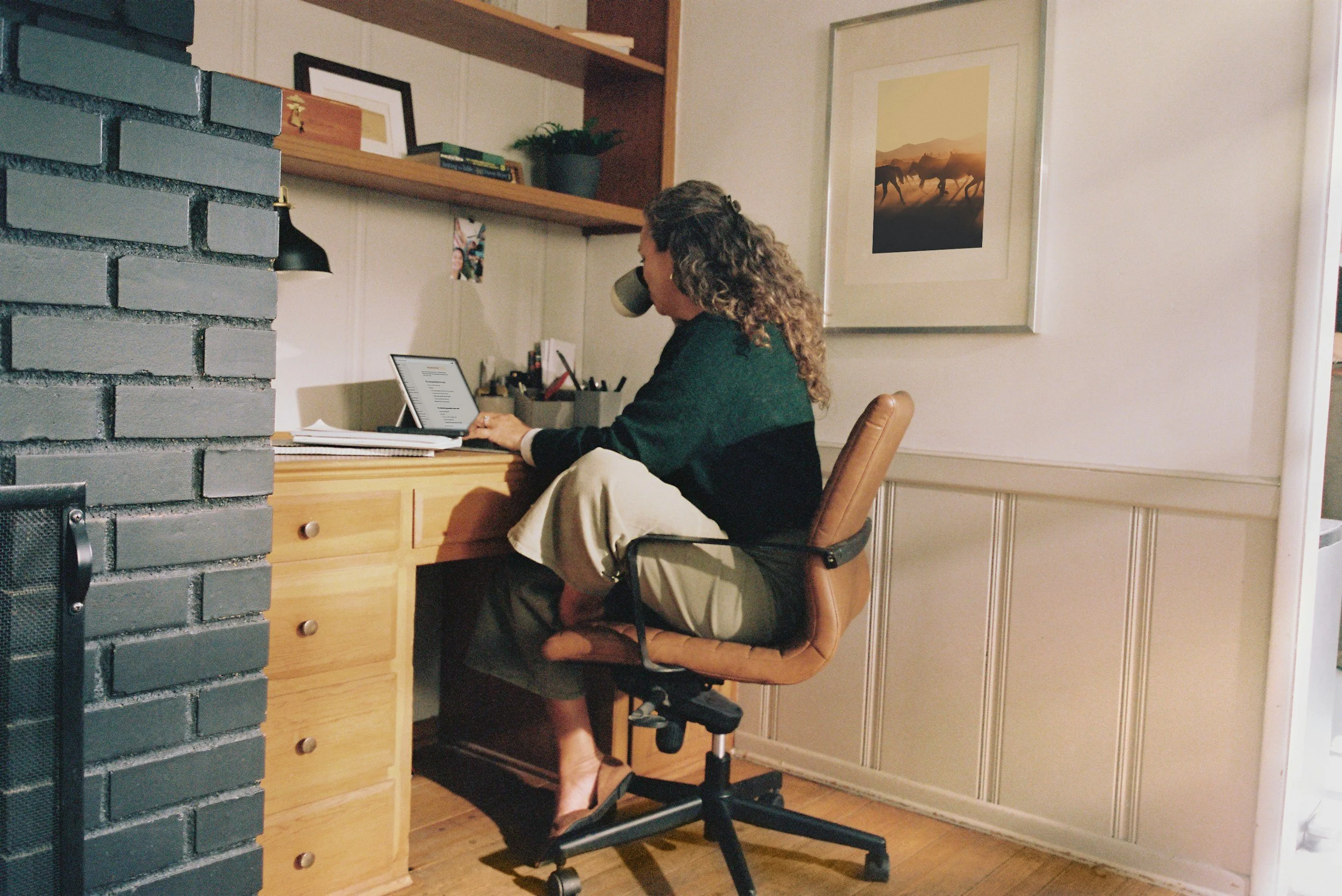
The job market in 2026 is more competitive than ever. With hundreds of applicants vying for the same role, your cover letter is often the first — and sometimes only — chance to make a lasting impression. Yet most job seekers treat it as an afterthought, copying and pasting the same generic paragraph into every application.
That approach rarely works. Here's what does.

Why Most Cover Letters Get Ignored
Hiring managers spend an average of seven seconds scanning a cover letter before deciding whether to read on. That means your opening line carries enormous weight. If it starts with "I am writing to apply for the position of…" you've already lost them.The most common mistakes job seekers make:Summarizing their resume instead of complementing itFailing to address the specific company or roleUsing overly formal language that feels roboticWriting too long — more than one page is almost always too muchThe good news? These are all fixable.
What a Strong Cover Letter Actually Looks Like
A cover letter that gets read does three things well. First, it opens with a hook — a specific achievement, a bold statement, or a genuine connection to the company's mission. Second, it speaks directly to the employer's needs, not just your own experience. Third, it closes with a clear, confident call to action.Think of it less as a formal letter and more as a conversation starter. You're not summarizing your career history — you're making a case for why you, specifically, are the right person for this role, at this company, right now.
The Role of AI in Modern Job Applications
One shift that's changed the landscape significantly is the rise of AI-assisted writing tools. Job seekers are now using technology to speed up the application process without sacrificing quality. A well-designed ai cover letter generator can take your resume and a job description and produce a tailored, ATS-optimized draft in seconds — giving you a strong starting point that you can then personalize with your own voice and specific examples.The key word here is starting point. AI tools work best when you treat them as a first draft, not a finished product. Add your personality. Reference something specific about the company. Make it sound like you — because ultimately, that's what hiring managers are looking for.

Personalization Is Still the Differentiator
Even with AI in the mix, the cover letters that stand out are the ones that feel human. Mentioning a recent company initiative, referencing a mutual connection, or explaining why this particular role excites you — these small details signal genuine interest and effort.
Career coaches consistently point to personalization as the single biggest differentiator between cover letters that get responses and those that don't. It doesn't have to be lengthy. Even two or three specific sentences can transform a generic letter into one that resonates.
A Simple Framework to Follow
If you're not sure where to start, try this structure:
Opening hook — one sentence that grabs attention
Your value proposition — what you bring that's relevant to this role
Why this company — something specific that shows you've done your research
Call to action — a confident, forward-looking close
Keep it to three or four short paragraphs. Be direct. Be specific. And remember — the goal isn't to impress with vocabulary. It's to make the hiring manager want to pick up the phone.
Your cover letter is a conversation before the conversation. Make it worth having.