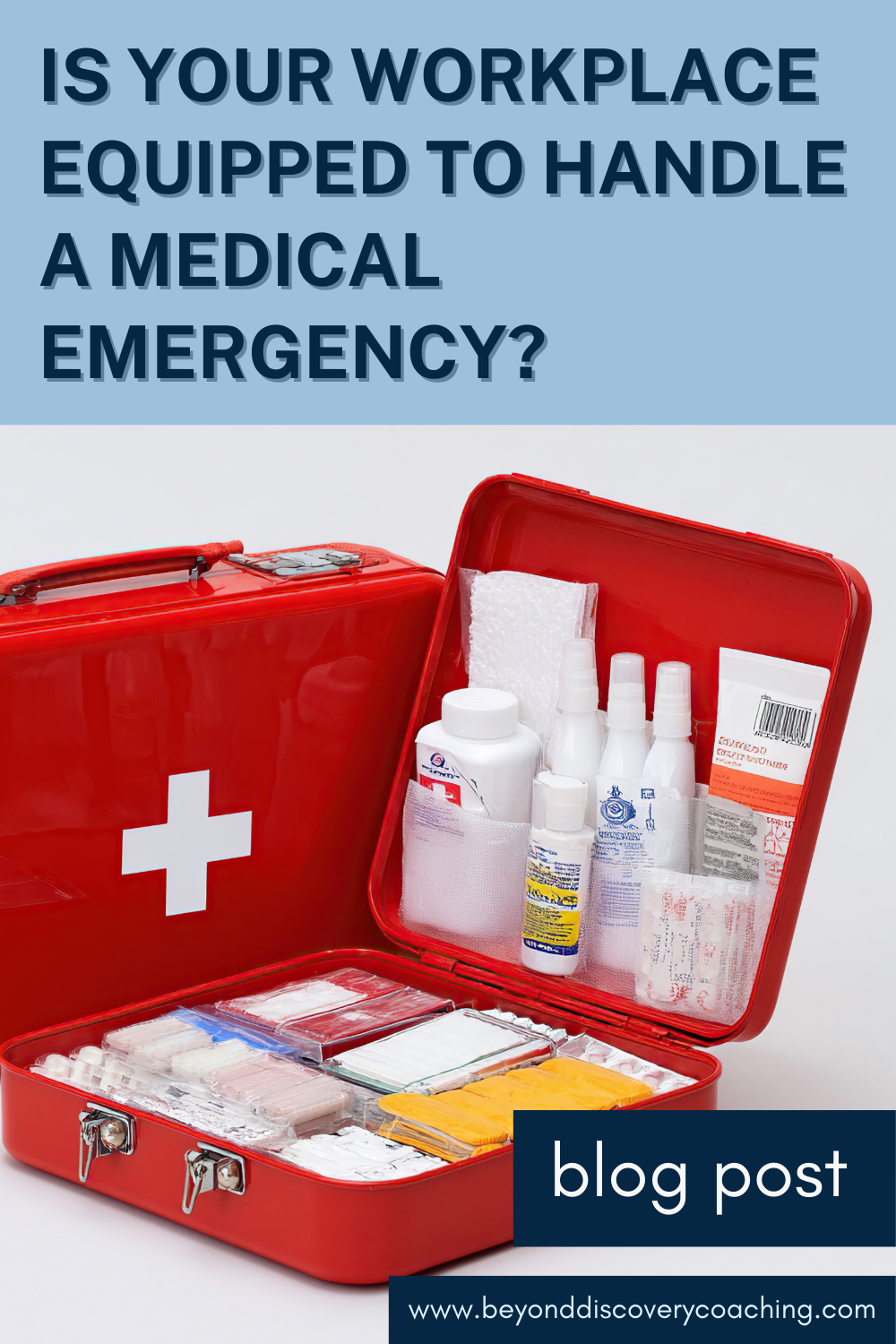
Is Your Workplace Equipped To Handle A Medical Emergency?
As much as you may want to ensure that things proceed safely and healthily in your business, there’s no amount of workplace safety training that can totally prevent health events from happening. Whether it’s an accident, an injury, or an event like a heart attack, you need to make sure that you’re ready and able to handle them as best as you can. Business owners have the resources to ensure that immediate help is on hand, and here’s how you ensure that it’s as effective as possible.

Start Establishing Clear Procedures
We will look at the training and tools that your team can use to be effective in emergency situations, but it’s vital that you don’t simply leave it up to them to work out the best way to proceed. Instead, you need to have clear, documented procedures in place for different kinds of workplace health emergencies. These can outline the exact steps that employees have to take in the event of an emergency. There should be procedures for different types of emergencies, such as sudden illness, injury, allergic reactions, and cardiac events. Procedures should outline specific actions, which first aid equipment should be accessed, who to make contact with, and how to safely assist an affected individual until emergency help is able to arrive.
Get Your Team The Training They Need
Workplace training is one of the best ways to make sure that your team is better able to respond in an emergency. While you might have the right procedures in place, your team will need to know how to apply first aid, use automated external defibrillators, administer EPI pens, and the like. As such, they’re much more likely to respond more calmly and effectively when a medical incident strikes. Regular training ensures that your employees are keeping up to date with any changes in best practices, while also being more confident and better able to recall the right method when it’s necessary. Training can also help employees recognize the signs of a medical event like a heart attack or a stroke sooner, which can improve outcomes.
Invest In The Right Medical Supplies
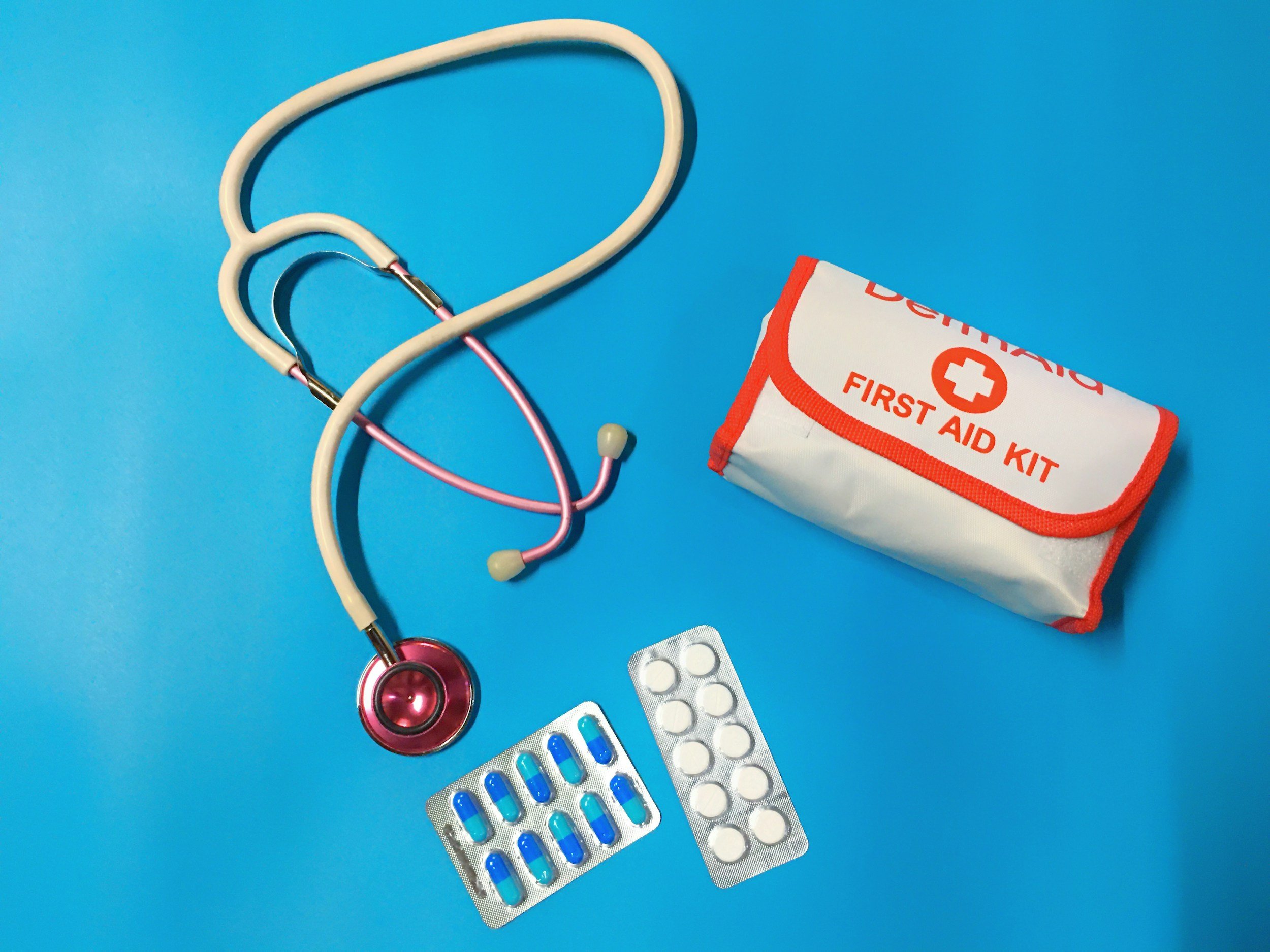
Of course, your team is going to be much less effective if they don’t have the first aid supplies necessary to handle an emergency. You should work with an emergency equipment supplier to ensure that you have everything on hand that you need, with clearly labeled, visible, and accessible first aid provisions in the event of an emergency. This can include things like bandages, gloves, antiseptics, burn treatments, epinephrine auto-injectors, or AEDs. Take the time to routinely inspect your first aid cabinets or supplies, as well, to make sure that you have all the supplies you might need, that they’re in date, and that they’re ready to use without issue.

Run Drills Routinely
All too often, a business will put an emergency plan in place and train employees to respond to crises, but then neglect to put those skills into action. Medical emergency scenarios help your team better understand their roles, practice communication processes, and help you better see any gaps in your preparedness that you might need to address. An employee with the right first-aid skills might know, internally, what to do, but when an emergency strikes, a lack of true practice can get in the way. Drills not only help your team practice their practical skills and emergency knowledge, but it also reduces panic in emergency situations by making the right course of action feel more familiar to them. Scheduling emergency drills periodically keeps procedures top of mind and reinforces training.
Documenting And Following Up
When an emergency incident does happen, it’s just as important to look back over it to figure out how you handled it well, and what you can improve. Recording the nature of the incident, who took what actions, and what outcomes followed is critical for a number of reasons, potentially including insurance, compliance, and liability reasons. Following up with affected employees can also ensure that they get any care or support they might need, especially if they have been shaken up by the incident. Documenting these incidents can also reveal trends or recurring risks that you might need to further address in the future. Essentially, you can’t know where you’re going right or wrong if you take a moment to address how you handle situations.
You should never assume that a medical emergency isn’t going to happen on your premises. That’s an easy way to find yourself caught off guard and unable to handle a crisis when your team needs you the most.