Key Areas to Focus On When Creating a Professional Business Workplace
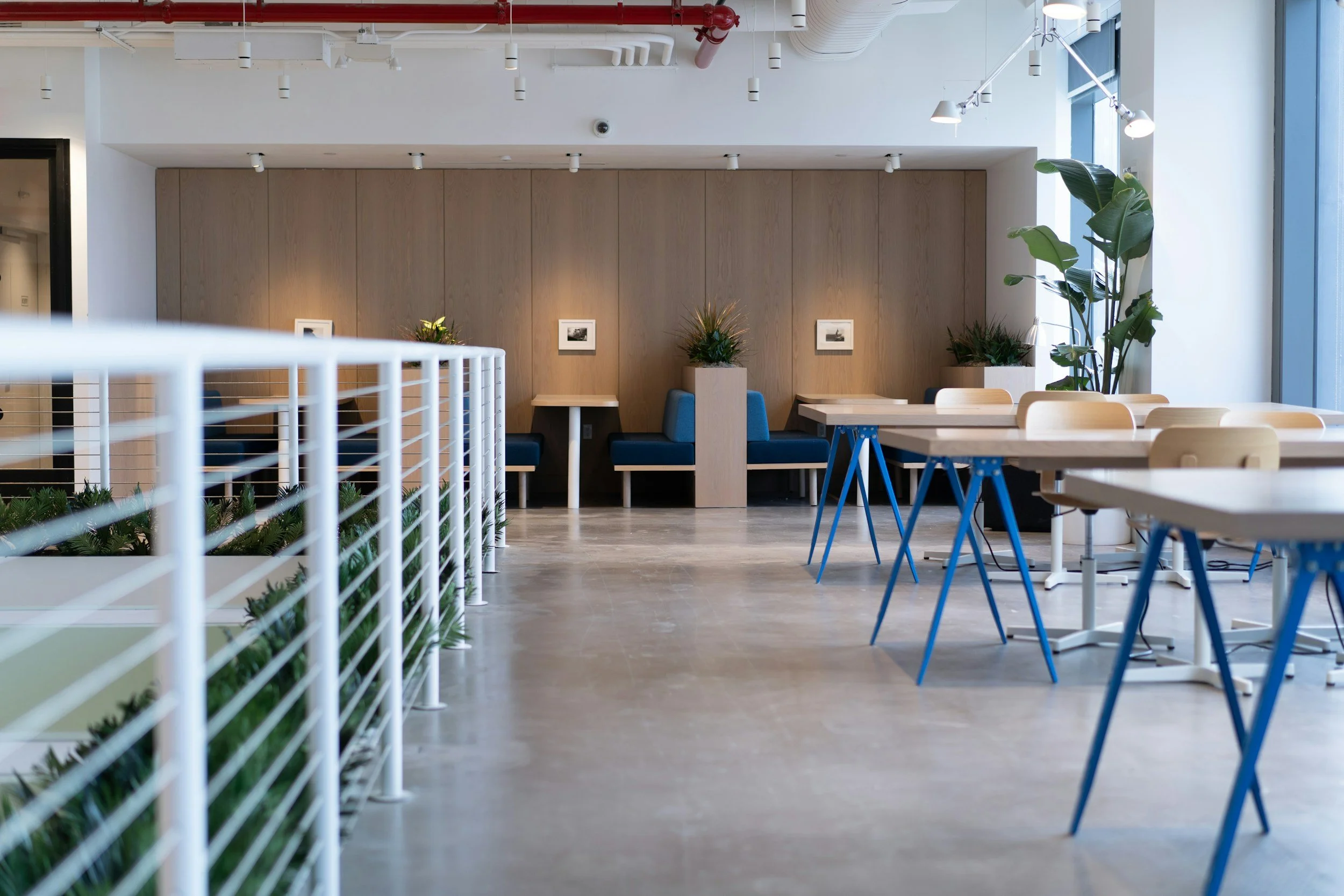
A professional business workplace does not happen by accident. It is shaped through a series of thoughtful decisions that influence how people feel the moment they walk in and how comfortably they can work throughout the day. From first impressions to daily productivity, the physical environment quietly communicates a company’s standards, values, and attention to detail.
Many businesses struggle with knowing where to focus their efforts. Is it enough for the front-facing areas to look polished, or should the same care extend throughout the workplace? The truth is that professionalism comes from a balanced approach across a few key areas. When these areas are aligned, the workplace feels more intentional as a whole. This article explores three of those areas and shares practical ways to improve them.
Keep reading.

1. The Office Lobby
The office lobby often carries more weight than any other area in a business workplace. It sets the tone immediately and influences how visitors feel before a word is spoken. That is why, when exploring office lobby decor ideas, it is important to think beyond surface decoration. You need to consider how the space works as a whole experience from entry to exit.
A well-designed lobby feels open and easy to navigate. Clear sightlines help visitors move confidently through the space, while thoughtfully placed seating provides comfort without disrupting flow. These small details signal organization and professionalism. Color choices also shape perception. Neutral tones tend to create a sense of calm and consistency, supporting a polished atmosphere that feels welcoming rather than distracting.
Incorporating custom wood elements can further elevate the space. Working with experienced fabricators such as MetalCraft allows businesses to introduce wood features that add warmth and visual structure without overpowering the design. These elements often include:
Wood signage that feels refined and built to last
Wooden reception desks are designed to anchor the space while keeping the layout clean
Custom features serve both aesthetic and practical purposes. They tend to age well, maintain visual consistency, and reinforce a sense of quality over time. When paired with greenery and
carefully selected artwork, the lobby feels finished and intentional, creating a strong yet comfortable first impression.
2. Workstations and Open Areas
While the lobby shapes first impressions, workstations influence how employees experience the workplace every day. A professional environment supports focus without feeling rigid or uncomfortable. This balance begins with layout and continues through lighting, noise control, and visual consistency.
Workspaces should allow employees to concentrate without constant interruption. Strategic spacing, subtle dividers, or thoughtful desk placement can reduce distractions while still encouraging collaboration when needed. Lighting should support long hours of work without causing strain. Try combining natural light where possible with soft, evenly distributed fixtures.
Visual clutter is another factor that often goes unnoticed. When materials, colors, and finishes remain consistent across work areas, the space feels calmer and more organized. This consistency helps employees settle into their tasks more easily and contributes to a workplace that feels stable and well-managed.

3. Conference Rooms and Meeting Spaces
Conference rooms are where conversations turn into decisions. These spaces host client discussions, internal planning sessions, and moments where clarity and focus matter most. Because of this, a conference room should feel composed, comfortable, and ready for use at any time. When the environment supports communication instead of distracting from it, meetings tend to feel more productive and purposeful.
Several design considerations make a noticeable difference in how these spaces function day to day. Thoughtful choices here help meetings run smoothly and leave participants with a positive impression of the organization:
Furniture placement and table selection, such as glass or wooden conference tables. They feel sturdy and professional while allowing everyone to stay visually connected without crowding the room.
Seating that balances comfort with structure, offering proper back support. They ensure longer discussions remain comfortable without encouraging slouching or distraction.
Lighting choices that balance overhead fixtures paired with softer ambient lighting. This reduces glare on screens and keeps the room comfortable for both in-person meetings and video calls.
Functional meeting tools, like whiteboards, presentation boards, or integrated screens. They make it easier to share ideas and keep discussions organized.
When these elements work together, the room feels prepared rather than improvised. Participants can focus on the discussion instead of adjusting chairs, squinting at screens, or repeating themselves. Over time, well-designed meeting spaces support clearer communication, stronger collaboration, and a more professional experience for both internal teams and visiting clients.
Wrapping Up
Creating a professional business workplace starts with focusing on the areas that shape real experiences. From the lobby that sets expectations to the spaces where work and collaboration happen daily, each environment contributes to how a business is perceived and how it functions. When design choices are intentional, practical, and people-focused, the result is a workplace that feels reliable, welcoming, and well-considered.