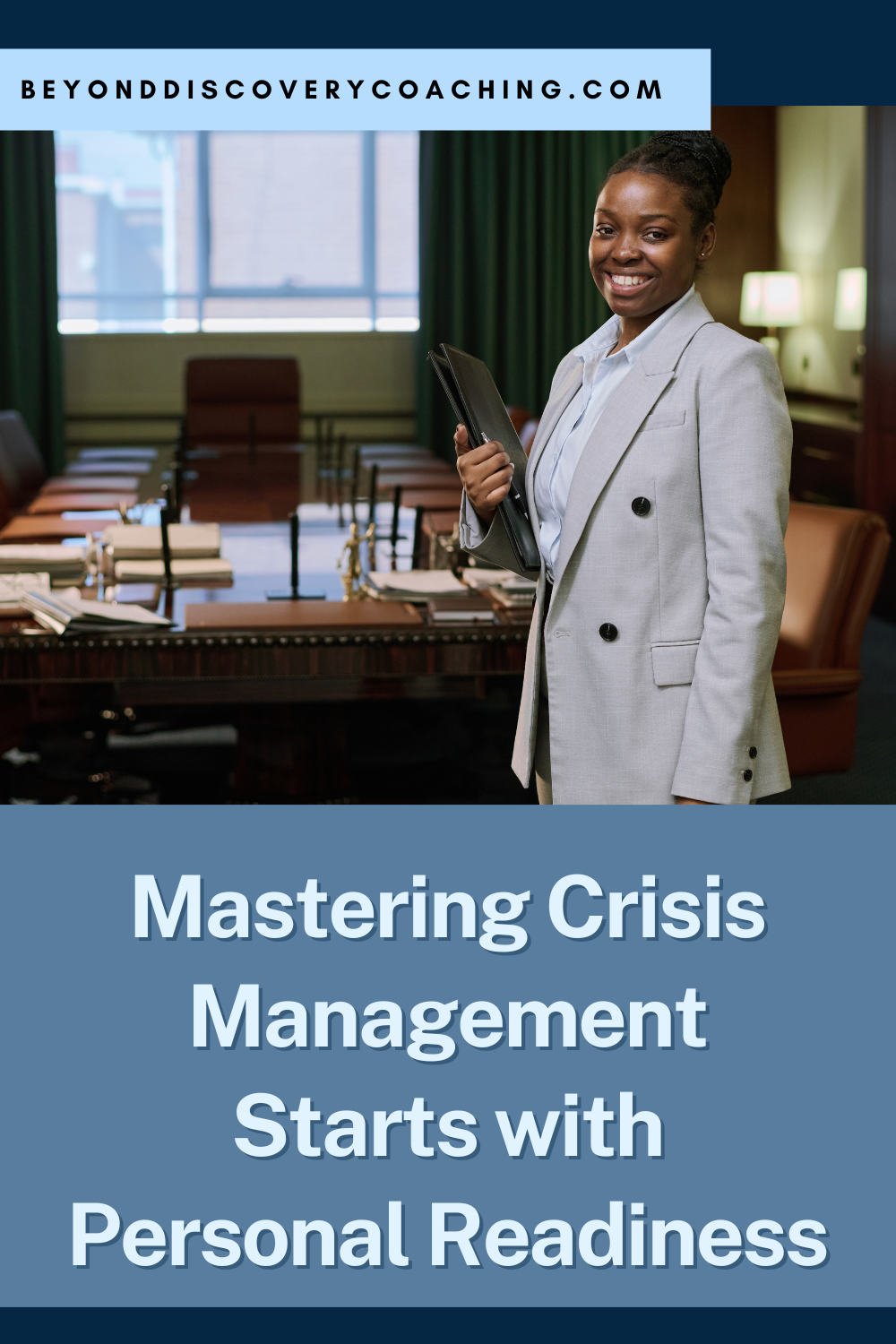
Mastering Crisis Management Starts with Personal Readiness

You don't really see what a leader is made of when everything's running smoothly. Real leadership shows up and gets stronger during times of chaos, uncertainty, and high stakes. We often talk about business continuity plans and company-wide emergency steps, but handling a crisis well actually starts way before any alarm goes off. It begins with you, the leader, and how ready you are personally for remote leadership skills. If you can stay calm and handle a personal emergency, that's a good sign of how you'll perform when your team or organization really needs you.

The Unexpected Challenges of Leadership
As a leader, you're the one meant to solve problems. But crises are different from everyday issues. By their very nature, they're unexpected events that put your organization's stability and reputation at risk. A crisis could be anything from a sudden server crash that stops everything to a negative story blowing up on social media, or a serious safety incident at your workplace. What these all have in common is the surprise factor and the huge pressure to act fast and correctly.
In these moments, your team isn't just looking for a plan; they're watching you to see how they should react. If you seem panicked, unsure, or overwhelmed, that stress will spread through your whole team, making it harder to respond together. The challenge isn't just about knowing the right technical stuff or having good business sense. It's about having the mental and emotional strength to be a steady presence when everything else feels like it's falling apart. This is where your professional role and your personal abilities become completely intertwined.
Why Personal Preparedness Matters
Your ability to lead through a company crisis comes from being personally ready. Think about it: if you can't handle a simple emergency in your own life, how can you expect to confidently guide an entire organization through a complex one? This is what emergency preparedness leadership is all about; it means living by the principles of readiness in every part of your life. When you're personally prepared, you give off an air of calm competence that makes people trust you.
This kind of preparedness isn't some vague idea. You build it through real actions and skills. Do you have a basic first-aid kit at home and in your car? Do you know what to do if a family member or colleague has a medical emergency? Taking a simple CPR course is a great first step. Learning a life-saving skill doesn't just get you ready for one specific event; it trains your mind to size up a situation, follow steps under pressure, and act decisively. This confidence carries over. A leader who has practiced responding to a personal crisis is simply better equipped to handle a professional one. Their team sees a leader who isn't just theoretically in charge, but actually capable.
Decisive Action Under Pressure
When a crisis hits, hesitating can be just as bad as making the wrong choice. Being able to think clearly and act fast under extreme stress is probably the most important quality a leader can have. This isn't a skill you can just turn on; you have to develop it. Preparing for personal emergencies acts as a training ground for how your brain reacts to stress.
By learning and practicing emergency skills, you create mental shortcuts that help you get past the "fight or flight" panic response. Instead of freezing, your mind automatically goes to the procedures you've rehearsed. This is why drills are so important in all emergency services. Doing things repeatedly builds muscle memory, both physically and mentally. The same idea applies to developing effective crisis leadership strategies. When you've already dealt with your heart racing while practicing a skill, you're less likely to get flustered when things get tough at work. You learn to block out distractions, focus on what's most important, and make the necessary decisions, even with incomplete information. This composure is contagious and gives your team the psychological safety they need to do their own jobs well.

Building Your Emergency Skill Set
Becoming a prepared leader means developing practical skills that make you more resilient and capable. This goes way beyond what you learned in business school. Your goal is to build a personal toolkit that makes you a valuable asset in any unexpected situation, not just a manager.
Think about focusing on these areas to round out your abilities:
First Aid and Medical Response: Beyond CPR, consider getting a basic first-aid certification. Knowing how to handle common injuries, spot signs of a stroke, or help someone who is choking are incredibly useful skills. These are some of the key EHS leadership skills that directly apply to workplace safety.
Communication Proficiency: How would you talk to your family if cell service were down? Having a backup plan, like a designated contact person out of state, is a simple personal step that shows the same kind of thinking needed for backup corporate communication.
Resource Management: Do you have an emergency kit with water, food, and supplies at home? Planning for personal shortages sharpens your ability to manage limited resources during a business crisis.
Mental and Physical Resilience: Regular exercise, mindfulness practices, and enough sleep aren't luxuries; they're crucial for keeping the clear thinking needed for high-pressure decisions. A tired or stressed leader isn't an effective one.
Building these skills is an ongoing journey, not a one-time checklist. It's about always being in a state of readiness.
Translating Personal Skills to Business Resilience
When a leader personally invests in preparedness, it sends a strong message throughout the organization. You're showing your team the behavior you want to see. This personal commitment makes any company’s crisis management effort feel more real and urgent. Instead of just an HR memo about a new fire drill, your team sees a leader who truly values and embodies readiness. This is vital for defining what crisis management is for your company culture; it makes readiness a shared value, not just a plan on paper.
A leader who can talk from personal experience about why a first-aid kit or a communication plan is important is much more convincing. You can encourage your team members to build their own personal readiness kits or take first-aid courses, explaining it as a benefit not just for the company but for their families and communities. This builds a culture of resilience from the ground up. When individuals feel more capable and prepared in their own lives, they bring that confidence and proactive mindset to their work. The result is a more agile, resourceful, and resilient organization ready to handle any challenge.
True leadership shines brightest when the unexpected happens. By focusing on your own personal readiness, you're not just getting ready for a possible home emergency; you're getting the most practical and profound leadership training you'll ever experience. Start today by taking one small, concrete step to become more prepared. Your future self, and your team, will be grateful.