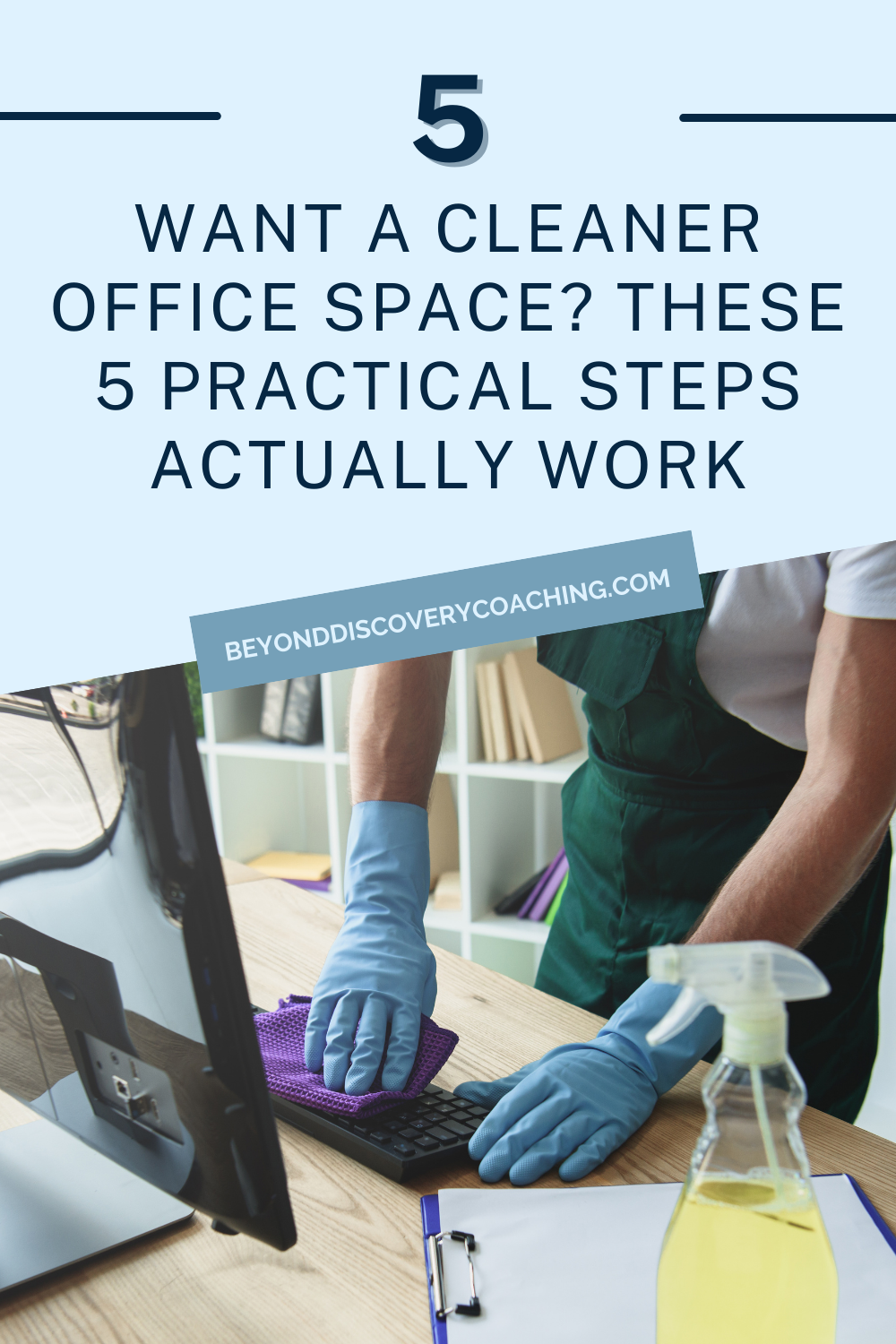
A work environment shapes focus, comfort, and daily energy. When spaces feel neglected, productivity drops quietly. Many teams believe quick wipes or weekly routines solve everything. That belief rarely holds for long. Without structure, standards fade fast. A cleaner environment requires more than effort. It needs repeatable systems and shared habits. Small issues grow when ignored. Over time, clutter and dust affect morale.
This guide explains five practical steps that truly help. Each step supports hygiene, order, and accountability. The approach stays realistic and easy to follow. Readers will learn how to build consistency without stress. Simple actions create visible improvements. A structured plan keeps spaces functional and presentable. The focus stays on habits that last.

1) Build a Consistent Cleaning Schedule
Consistency matters more than intensity in shared workplaces. Random efforts leave gaps and missed areas. A schedule brings clarity to daily routines. It removes confusion and sets expectations. Tasks stop feeling reactive. Instead, they become predictable. A cleaner environment emerges through rhythm, not rush.
A realistic schedule works best. Tasks should match daily usage patterns. Breaking work into levels keeps it manageable.
Daily surface care controls germs
Weekly routines handle buildup
Monthly checks cover overlooked zones
This structure prevents overwhelm. Teams know what matters each day. Over time, routines turn into habits. Habits maintain standards without reminders.
2) Follow a Checklist for Most Used Surfaces
Frequently used office surfaces collect germs faster than expected. Daily contact spreads dirt across shared tools and furniture. Cleaning without structure creates gaps during busy workdays. A checklist adds clarity and routine. It guides teams through priority surfaces each day. Desks, keyboards, phones, and chair arms need frequent care. Meeting tables and switches also require attention. Clear steps reduce missed spots. Consistent routines support better hygiene standards across departments.
Many office teams rely on documented guidance for surface care. For example, resources from ABS and CBS outline practical cleaning priorities. Their office cleaning checklist highlights overlooked touchpoints in commercial spaces. Teams follow clear steps without confusion or delays. This structure improves accountability across work areas. Routine checks support health and visual standards. Simple documentation keeps expectations aligned. It also helps train new staff easily. Clear lists save time during inspections. Results stay consistent throughout the workweek.
3) Keep Workstations and Shared Spaces Decluttered
Clutter interferes with proper maintenance. Items block surfaces and hide dust. Loose papers and unused tools slow down routines. A cleaner setup allows faster care and better results. It also improves focus and reduces visual strain. Order supports hygiene naturally.
Decluttering works best when responsibility is shared.
Store unused items properly
Keep shared tables free
These habits support smoother routines. Surfaces stay accessible. Visual order improves impressions. Over time, an organization becomes cultural. Culture sustains standards without enforcement. A cleaner space becomes the norm.

4) Use the Right Cleaning Products and Tools
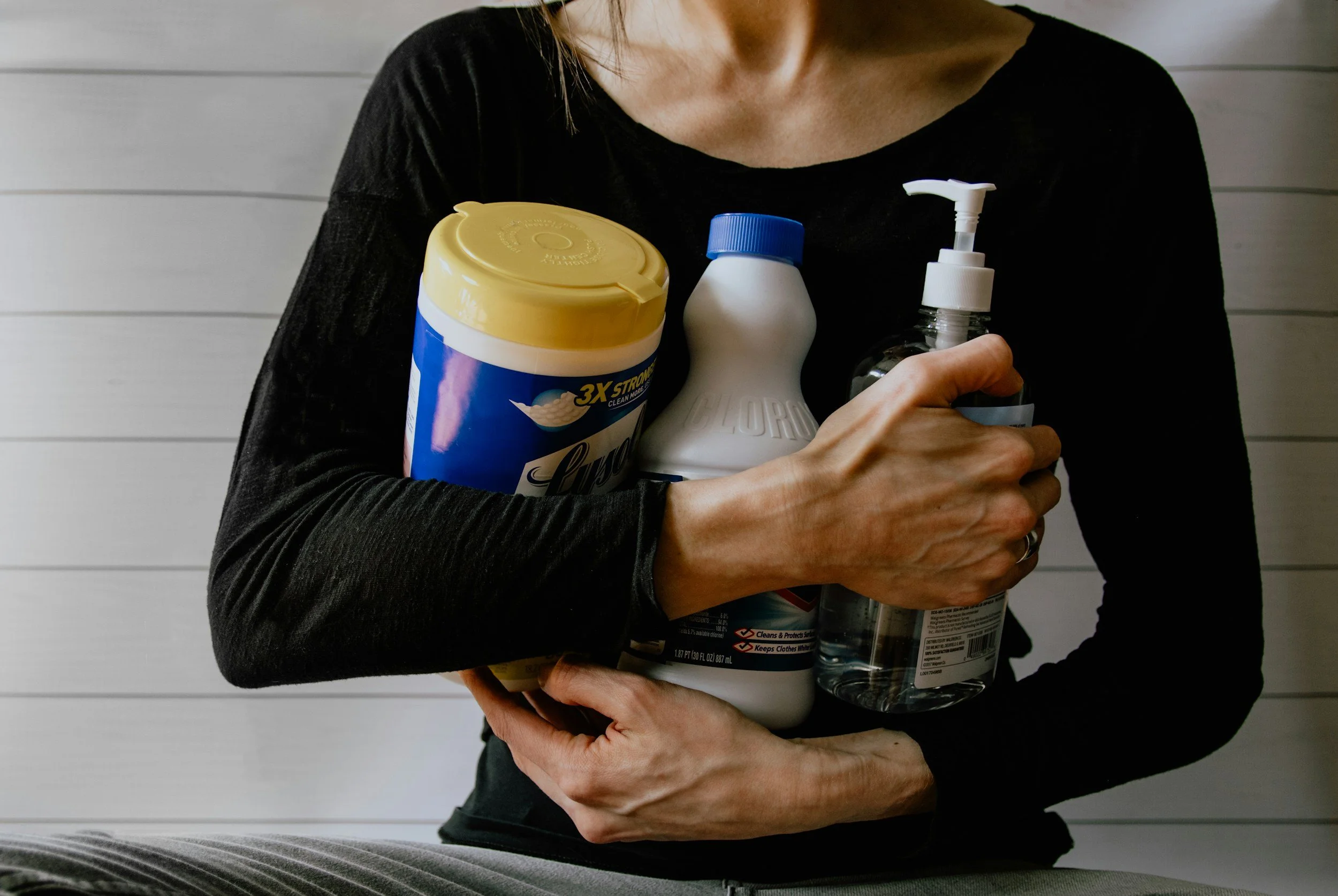
Not every product suits commercial environments used daily by many employees. Using incorrect supplies causes damage or streaks across visible surfaces. Proper tools improve results and save time during routine maintenance tasks. Different materials require different care methods for long-term durability. Desks, floors, and electronics need specific solutions for safe upkeep. Correct choices protect surfaces and the effort invested over time. Poor product selection often leads to repeated work and frustration.
Teams benefit from basic training around product use and safety rules. Labels matter because instructions guide correct application and surface compatibility. Instructions prevent misuse that damages materials or creates health risks. Quality tools reduce repeat work and improve consistency across tasks. Microfiber cloths and proper sprays matter for effective results. A cleaner outcome depends on correct methods followed consistently. This approach protects furniture and fixtures from unnecessary wear. Long-term, it reduces replacement costs significantly. Proper tools support consistent standards without extra labor demands.
5) Assign Clear Cleaning Responsibility
Shared spaces fail without accountability and clearly defined ownership expectations. When everyone assumes someone else handles tasks, gaps appear quickly. Defined roles prevent neglect and reduce confusion across teams. Responsibility improves follow-through and task completion rates. Each task needs an owner who understands expectations clearly. Ownership builds consistency across daily and weekly routines. A cleaner result follows clear expectations supported by leadership.
Responsibility does not mean pressure placed unfairly on individuals. It means clarity around roles and shared accountability systems. Teams perform better with defined duties and transparent expectations. Managers should document roles clearly for consistency and fairness. Simple reviews keep standards steady without constant supervision. Over time, accountability becomes a habit across departments. Habits reduce supervision needs and improve reliability. A cleaner environment stays consistent through ownership, not reminders or enforcement.
Conclusion
Maintaining a professional office space requires systems, not shortcuts. These five steps focus on structure over effort. Schedules prevent neglect. Checklists guide action. Decluttering improves access. Proper tools protect surfaces. Responsibility sustains results. A cleaner workspace supports focus, health, and confidence. Small habits create lasting change. Consistency always outperforms quick fixes.