Why an Ergonomic Chair Will Improve Your Work-Life Balance
Modern work demands sustained focus, extended desk time, and consistent output across diverse tasks that place pressure on posture and comfort. Many professionals accept discomfort as normal, yet subtle physical strain often disrupts energy and personal time after work hours. An ergonomic chair offers a practical solution that aligns physical support with daily demands, helping restore balance between productivity and personal well-being.
A well-designed chair does more than support the body during work hours, as it influences how you feel throughout the entire day. Proper alignment reduces fatigue, eases muscle tension, and supports better habits that extend beyond the workspace into home life. Learning why an ergonomic chair will improve your work-life balance will ensure you invest in proper equipment that benefits your job and personal life.

Enhanced Posture Support
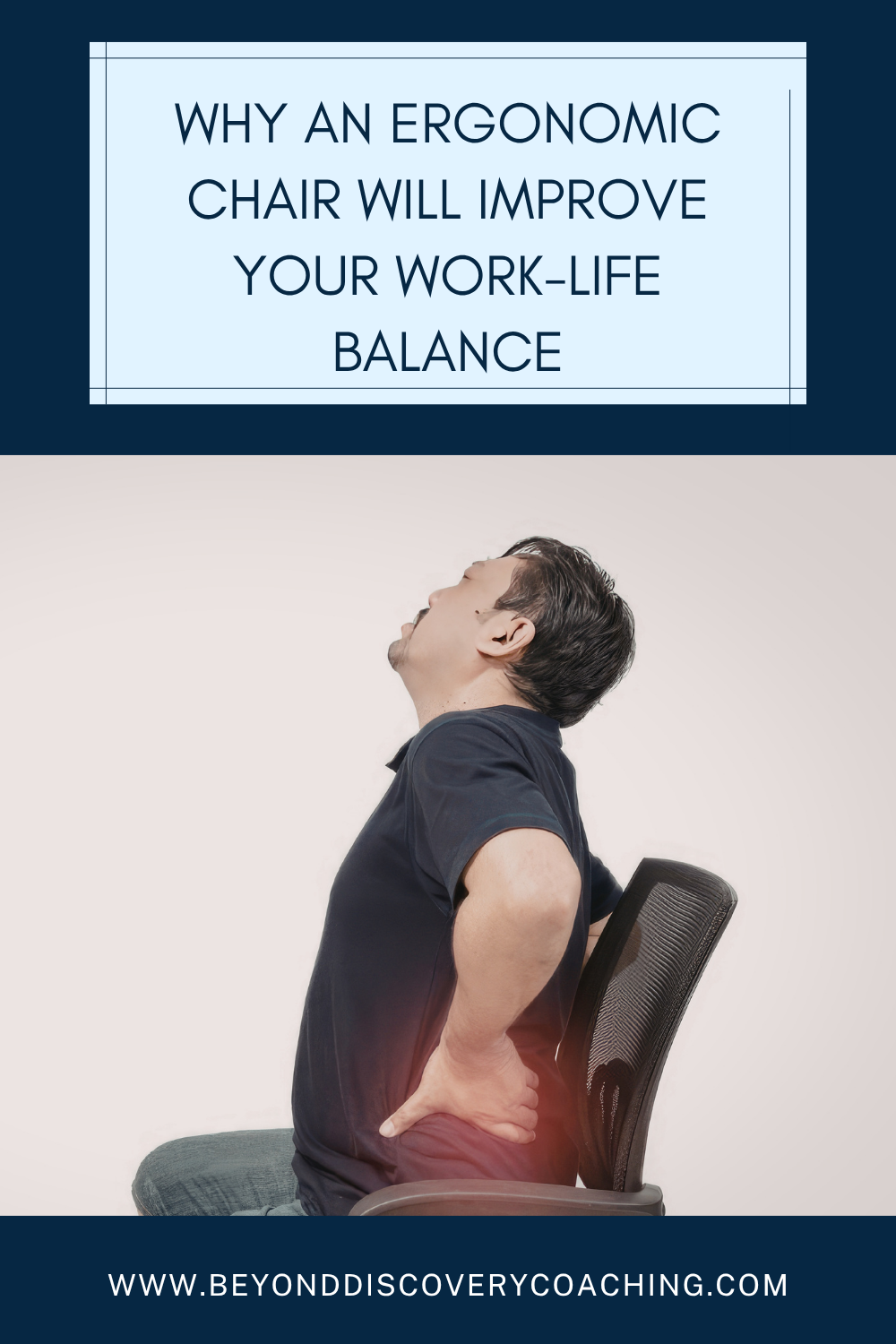
A quality ergonomic chair promotes proper spinal alignment through adjustable features that match natural body curves and maintain upright posture during extended work sessions. This support reduces slouching habits and prevents unnecessary strain on the neck and shoulders during repetitive tasks at a desk. Over time, consistent posture improvement fosters better physical health and reduces discomfort that often carries into personal time after work hours.
When posture improves, breathing becomes easier, circulation improves, and mental clarity often increases during demanding tasks that require sustained attention. These benefits extend beyond work hours, allowing individuals to feel more relaxed and less fatigued when engaging in leisure activities. A supportive chair acts as a foundation for healthier daily routines that support productivity and relaxation.
Reduced Physical Strain
An ergonomic chair distributes body weight evenly across the seat and backrest, minimizing pressure points that cause discomfort during prolonged sitting periods at work. This distribution helps reduce strain on joints and muscles, especially in the lower back and hips, areas commonly affected during desk work. As physical strain decreases, users often experience fewer aches, allowing them to maintain focus and energy throughout the day.
Lower physical strain also means reduced recovery time after work, allowing individuals to transition more easily into personal activities without lingering discomfort or fatigue. This improved comfort supports a more active lifestyle outside work hours, enhancing overall well-being and satisfaction. Consistent use of ergonomic seating can therefore transform how the body responds to daily demands.
Increased Productivity
Comfortable seating allows individuals to focus on tasks without constant distraction from discomfort, leading to more efficient work habits and improved output quality. When you meet your physical needs, you can direct mental resources toward problem-solving, creativity, and effective decision-making during complex tasks. This shift enhances overall performance and reduces the time required to complete daily responsibilities.
Higher productivity often leads to shorter work hours or more manageable workloads, creating additional time for personal activities and relaxation after work. This balance supports improved mental health and greater satisfaction in both professional and personal areas of life. An ergonomic chair contributes directly to a more balanced and fulfilling daily routine.
Better Focus and Concentration
A supportive chair minimizes discomfort that can interrupt concentration, allowing individuals to maintain focus on tasks without frequent breaks due to physical strain. This stability supports sustained attention during complex projects that require careful thought and consistent effort throughout the workday. As a result, users often experience improved efficiency and reduced mental fatigue.
Enhanced concentration also supports higher-quality work, as individuals can dedicate full attention to tasks without distraction from discomfort or poor posture. This improvement leads to greater confidence in professional performance and reduced stress related to unfinished or rushed work.

Support for Dynamic Movement
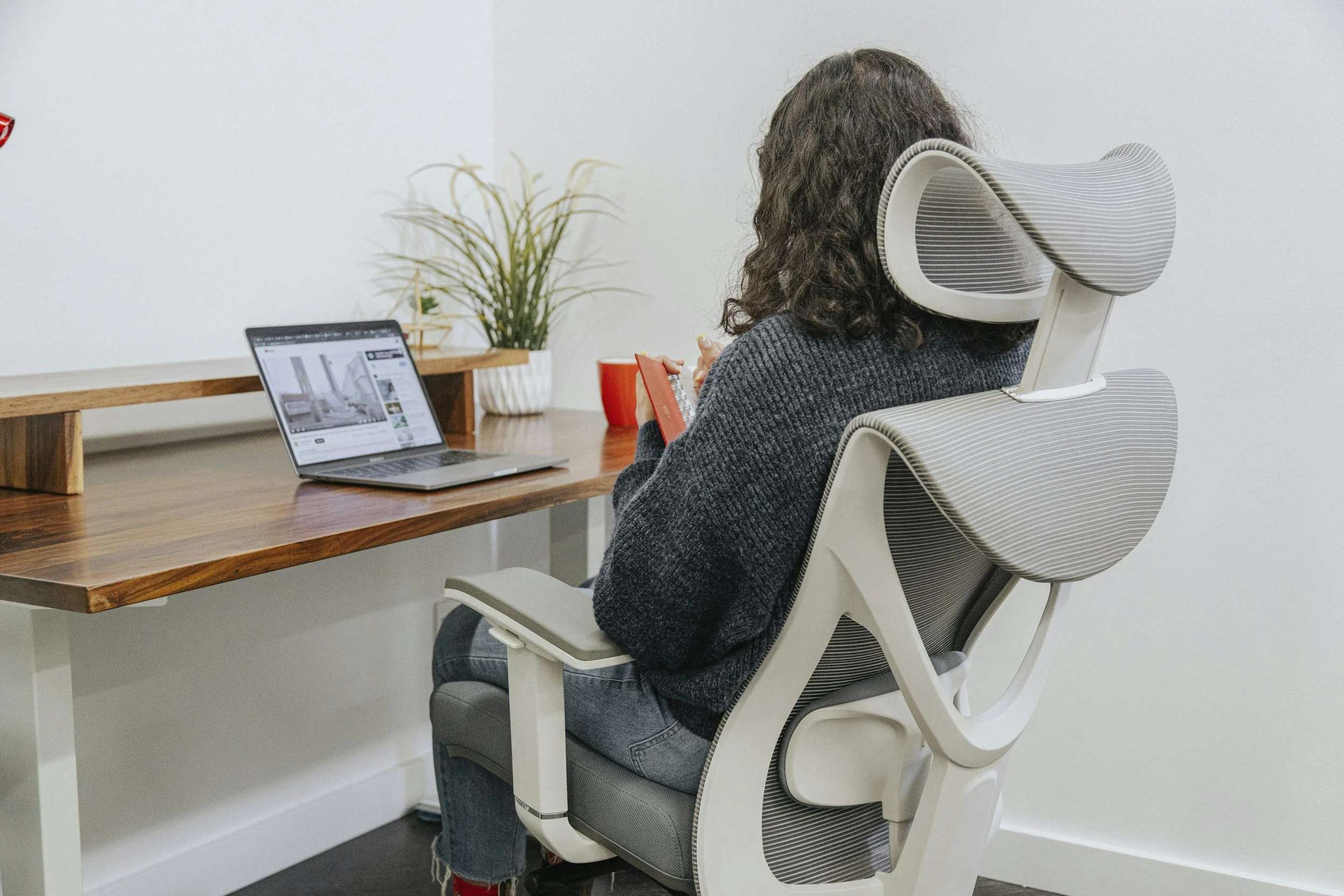
An ergonomic chair encourages subtle movement throughout the day, allowing users to shift positions and maintain comfort without compromising posture or support. This flexibility reduces stiffness and promotes muscle engagement, helping the body remain active even during extended periods of seated work. Regular movement contributes to overall physical health and reduces fatigue associated with static positions. Learning why 24/7 chair seat suspension is important will help you understand how continuous support adapts to movement and maintains comfort throughout varied daily activities. This adaptive feature ensures consistent support without interruption, allowing the body to remain balanced and supported during both work and relaxation. As a result, users benefit from a seamless transition between tasks without discomfort.
Long-Term Health Benefits
Sustained ergonomic support delivers these improvements to overall health, reinforcing stability, comfort, and resilience across demanding professional and personal routines:
Consistent spinal alignment reduces the risk of chronic back pain, supports joint stability, and maintains musculoskeletal health across extended periods of desk work.
Balanced weight distribution minimizes pressure on hips and lower back, preventing discomfort that often leads to long-lasting structural issues over time.
Enhanced circulation supports cardiovascular health, ensuring efficient delivery of nutrients and oxygen throughout the body during prolonged seated work sessions.
Preventive support reduces dependence on medical intervention, lowering healthcare costs and minimizing disruptions caused by pain or injury related to poor seating habits.
Reduced Stress Levels
Physical comfort plays a significant role in emotional well-being, as discomfort often contributes to irritability and increased stress during demanding work situations. An ergonomic chair reduces these physical triggers, allowing individuals to approach tasks with a calmer and more focused mindset throughout the day. This reduction in stress supports better decision-making and improved interpersonal interactions. Lower stress levels also enhance personal time, as individuals are less likely to carry tension from work into home environments or social interactions. This separation supports healthier relationships and a more positive outlook on daily responsibilities. One of the main reasons why ergonomic chairs improve quality of life is that they contribute to emotional and physical balance.
Enhanced Energy Levels
Proper support reduces fatigue that often results from poor posture and muscle strain, allowing individuals to maintain higher energy levels throughout the workday. This sustained energy supports consistent performance and reduces the need for frequent breaks due to discomfort or exhaustion during tasks. As a result, users can complete work more efficiently and with greater ease.
Higher energy levels also translate into more active and enjoyable personal time, as individuals feel less drained after completing daily work responsibilities. This improvement supports hobbies, exercise, and social activities that contribute to overall well-being.
An ergonomic chair represents more than a piece of office furniture, as it directly influences physical health, mental clarity, and overall daily experience. Through improved posture, it supports productivity and personal well-being in meaningful ways. These benefits extend beyond work hours, creating a more balanced and enjoyable lifestyle.
Investing in ergonomic seating reflects a commitment to health and sustainable work habits that support long-term success and personal satisfaction. This balance ultimately defines a healthier and more fulfilling approach to modern work life.