Why Trading Should Be on Your 2026 To-Do List
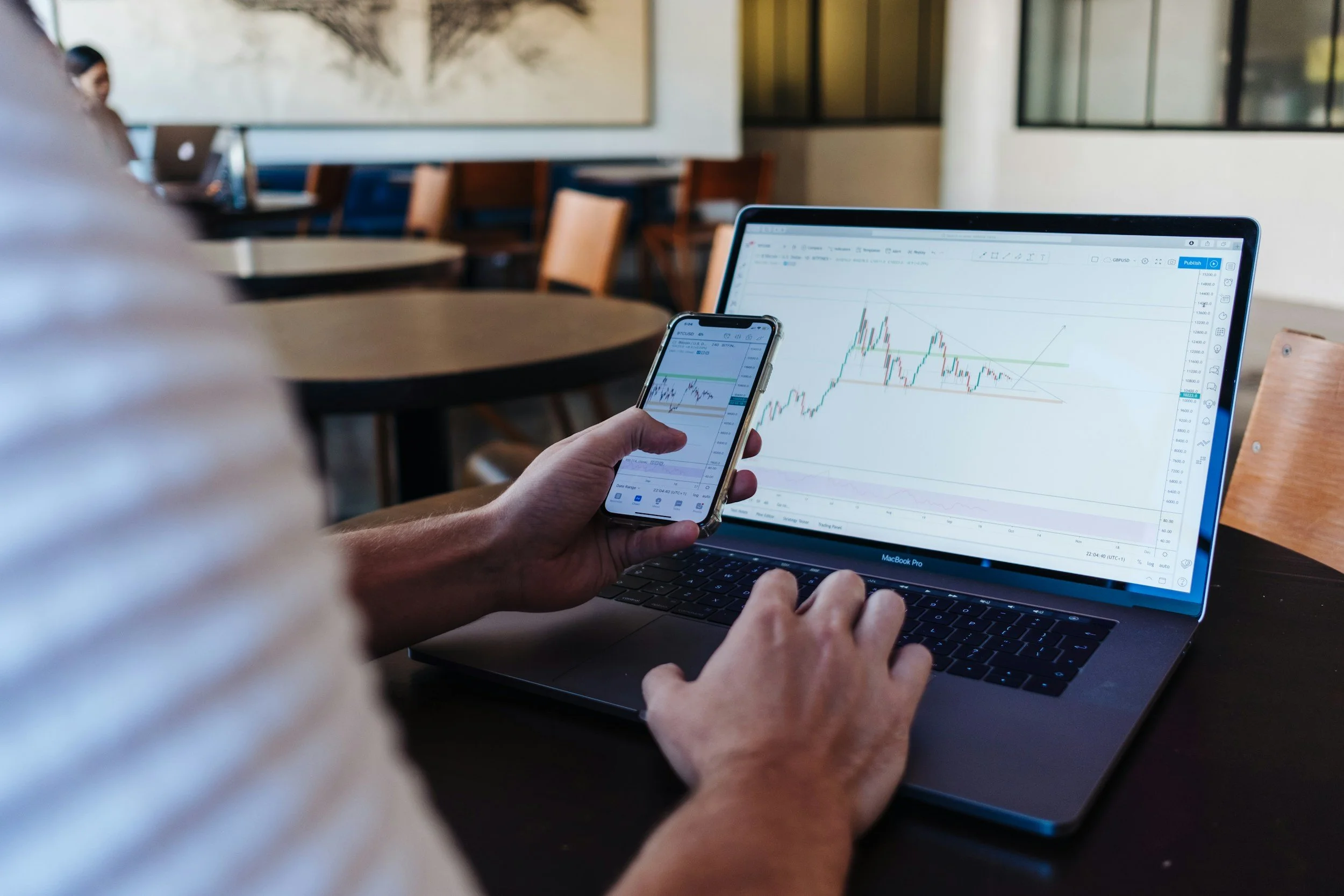
Trading has moved from a niche interest to a mainstream financial activity, as access to markets keeps expanding across global platforms. More individuals now seek control over personal wealth paths through informed participation in financial markets rather than passive approaches. This shift reflects broader awareness about economic forces and personal agency within modern financial systems across diverse populations.
Many people look for new ways to build resilience against inflation, job uncertainty, and rising living costs across multiple regions. Trading offers a path that blends analytical thinking and opportunity within structured financial environments that reward preparation and patience. With proper education and a clear plan, trading should be on your 2026 to-do list as a powerful addition to any personal development strategy

Expanding Financial Awareness
Trading exposes individuals to global economic systems and market behavior across sectors that shape everyday financial realities. This exposure builds a deeper understanding of how money moves through economies and how decisions affect broader financial landscapes. Over time, this awareness supports better financial choices across personal investments and savings plans.
Greater financial awareness also encourages curiosity about macroeconomic trends and geopolitical developments that influence price movement across markets. This curiosity leads to continuous learning and sharper analytical skills that extend beyond trading into other areas of life. Such knowledge supports confidence and clarity in financial conversations and decisions.
Building Analytical Skills
Trading requires careful evaluation of data and historical trends to identify potential opportunities within structured market environments. This process strengthens analytical thinking and improves the ability to assess risk versus reward across uncertain scenarios. Over time, individuals develop sharper judgment that supports trading decisions and everyday problem-solving.
The discipline required to analyze charts, reports, and economic indicators fosters attention to detail and patience within complex environments. These skills transfer well into professional settings where structured thinking and evaluation hold high value across industries. As a result, trading becomes a financial activity and a mental exercise that sharpens cognitive ability.
Developing Discipline and Patience
Successful trading depends on consistent habits and emotional control across fluctuating market conditions that challenge even experienced participants. This environment demands patience and the ability to wait for clear opportunities rather than act on impulse or fear. Over time, you learn to respect timing and avoid unnecessary risk through disciplined behavior.
Discipline also applies to risk management, position sizing, and adherence to strategies that define long-term success across trading activities. These habits build resilience and reduce the likelihood of costly mistakes that arise from emotional reactions. As discipline strengthens, traders gain confidence in their approach and maintain stability during uncertain periods.
Creating Additional Income Streams
Trading offers potential for supplemental income that complements traditional employment or business ventures across diverse financial situations. This flexibility allows individuals to explore new revenue channels without complete reliance on a single source of income. With careful planning, trading can become a meaningful contributor to overall financial stability.
Income from trading depends on skill and risk control rather than guaranteed outcomes or fixed returns across market conditions. This reality encourages responsible participation and continuous improvement through the evaluation of results and the adaptation of strategies. Over time, consistent effort may lead to more reliable performance and improved financial outcomes.
Adapting to Technological Advances
Modern trading platforms provide access to advanced tools and automated systems that enhance decision-making across financial markets. These technologies allow individuals to analyze trends and manage positions with greater efficiency and precision. As technology evolves, you gain new capabilities that improve overall performance and understanding.
Adaptation to these tools fosters digital literacy and comfort with complex systems that play a central role in modern finance. This experience prepares individuals for broader technological shifts across industries where data and automation drive innovation. Engagement with trading platforms supports confidence in navigating digital environments with purpose and clarity.

Strengthening Risk Management Awareness
Trading highlights the importance of risk control, as every position carries potential loss alongside potential gain within dynamic market conditions. This awareness encourages careful planning and measured decision-making that protects capital and supports sustainable participation. Over time, individuals develop a balanced approach that prioritizes preservation alongside growth.
Understanding risk also extends to broader financial planning, where diversification and strategic allocation play important roles in stability. These principles help individuals manage uncertainty across investments and adapt to changing economic environments. As risk awareness grows, financial decisions become more deliberate and informed.
Encouraging Continuous Learning
Trading demands ongoing education as markets evolve due to economic shifts and emerging global trends across interconnected systems. This constant change encourages individuals to stay informed and refine their strategies through study and practice. Learning becomes a regular part of the process rather than a one-time effort.
Resources such as courses and market analysis provide valuable insights that support growth and improvement within trading practices. Learning about the top 50 futures trading rules will help you build a strong foundation and avoid common mistakes across market participation. This commitment to knowledge strengthens both skill and confidence over time.
Gaining Independence and Flexibility
Trading should be on your 2026 to-do list because it offers flexibility in schedule and location, allowing individuals to engage with markets according to personal preferences and availability. This independence appeals to those who seek control over their time and financial activities without strict external constraints. With proper structure, trading can fit into diverse lifestyles and commitments.
Flexibility also allows individuals to scale involvement based on experience and available resources across different stages of life. This adaptability supports gradual development rather than immediate full commitment, reducing pressure and risk. Over time, you can adjust their approach to match evolving priorities and circumstances.
Preparing for Future Economic Trends
Global economies continue to evolve due to technological innovation and policy changes that reshape financial landscapes across regions. Trading provides insight into these developments and helps individuals anticipate potential opportunities or challenges within changing environments. This awareness supports proactive planning rather than reactive behavior.
Preparation for future trends involves understanding market cycles, sector performance, and economic indicators that signal shifts in direction across industries. This knowledge allows individuals to position themselves effectively within financial systems that reward foresight and adaptability. As a result, trading becomes a tool for navigating an uncertain future with greater clarity.
Trading stands as more than a financial activity, as it represents a structured approach to understanding markets, managing risk, and developing valuable personal skills. Through consistent effort, you gain insight into economic systems and strengthen your ability to make informed decisions across various aspects of life. This combination of knowledge and discipline supports financial growth and personal development.
The year 2026 presents an opportunity to embrace new challenges and expand capabilities in areas that offer meaningful rewards for dedication and preparation. Trading aligns with this vision through its blend of strategy and adaptability within evolving financial environments. With the right mindset and commitment, it can become a valuable addition to any forward-looking plan.