5 Ways First Aid and CPR Courses Can Support a Stronger Workplace Culture
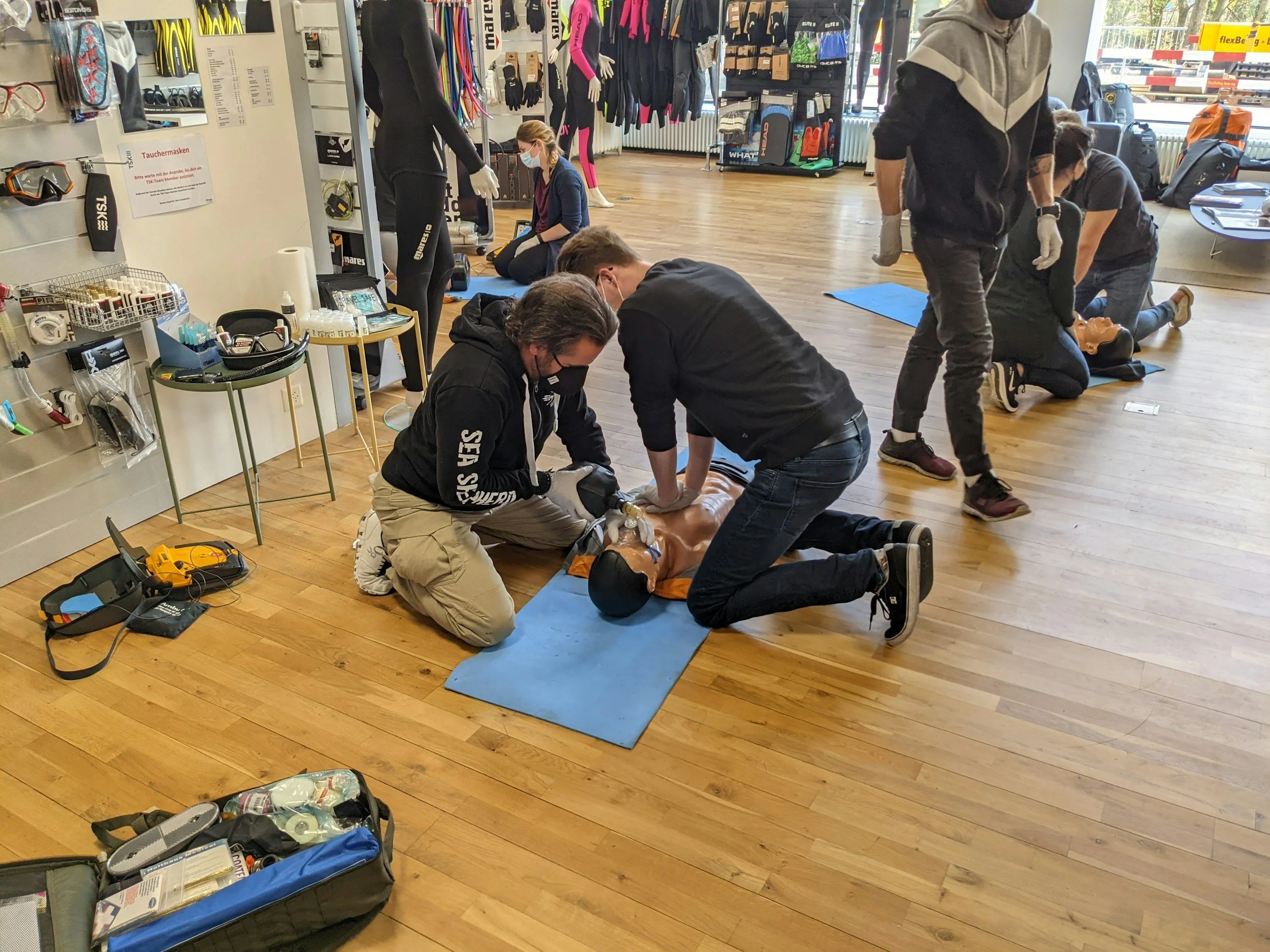
A strong workplace culture is often built through everyday actions. Employees look out for one another, speak up when something seems unsafe, and know that their well-being is taken seriously. These habits may seem small, but they can shape how people feel about their workplace. First aid and CPR training can support that kind of environment. Training can help employees become more confident, communicate better under pressure, and understand that workplace safety is a shared responsibility.
That is useful in any workplace, including those here in Alberta. In 2023, federally regulated employers reported 18,796 disabling work-related injuries in Canada. While first aid training cannot prevent every incident, it can help workers feel more prepared when something goes wrong.
Here are five ways first aid and CPR training can help create a workplace where safety, teamwork, and care become part of the culture.

1. It Builds a Sense of Shared Responsibility
Safety becomes stronger when employees understand that it is not only the manager's job to keep people safe. First aid and CPR courses give workers a practical role in an emergency. They learn how to recognize certain situations, get help, and provide appropriate care within the limits of their training. This can create a stronger sense that everyone has a part to play.
That mindset can also carry into everyday work. An employee who feels responsible for the safety of others may be more likely to report a hazard, speak up about an unsafe practice, or check on a co-worker who appears to be struggling.
The Canadian Centre for Occupational Health and Safety recommends that workers know how to respond when an injury or illness occurs, including where first aid kits and trained attendants are located.
2. It Can Make Employees More Comfortable Speaking Up
Some employees hesitate to raise safety concerns because they do not want to appear difficult or overreactive. A workplace that talks openly about first aid and emergency response can make those conversations feel more normal.
Training gives teams a reason to discuss what could go wrong and how they would respond. Employees may ask where the first aid kit is, who the trained first aiders are, or what they should do if a co-worker becomes seriously ill.
Those questions are useful. They help turn safety from something written in a handbook into something people actually talk about. Over time, that openness can make it easier for employees to raise concerns before a small problem becomes a larger one.
3. It Encourages People to Look Out for One Another
There is a human side to workplace safety. When employees learn skills that could help a colleague in an emergency, they are reminded that the people around them are more than co-workers. They can be life savers.
Performing CPR and using an AED can double or even triple a person's chance of survival after cardiac arrest. Knowing you have co-workers with these skills can be quite valuable. Thankfully, there are First Aid and CPR Courses for Alberta businesses that include Level C CPR and AED skills, which is worth considering for local businesses looking to build these skills into their teams. Such courses and training from Western Canada Fire & First Aid can also give teams a chance to learn the same response steps and understand how their roles fit together.
The bigger point is the habit of helping. Employees who know they can take useful action during an emergency may feel more connected to the people they work with.

4. It Helps Teams Stay Calm Under Pressure
An emergency can quickly create confusion. People may not know who should call for help, where the AED is, or what to do while waiting for emergency services. Heart & Stroke estimates that about 60,000 out-of-hospital cardiac arrests occur in Canada each year, and basic CPR and AED can increase survival rates by a lot.
Training gives employees a chance to practice these situations before they happen. That practice can make the response not only feel less unfamiliar but also life-saving.
It also reinforces the importance of clear communication. A person may need to call 911 while someone else gets the first aid kit or AED. Another worker may need to keep other employees away from the area. In practice, knowing who should do what can prevent several people from standing around waiting for someone else to take charge.
5. It Shows That Employee Well-Being Is Taken Seriously
Employees notice what an organization chooses to invest in. When a company makes time for safety training, it sends a simple message: people's health and safety deserve attention. That message can be especially meaningful when training is treated as an ongoing part of workplace development rather than a box to check once.
Refresher training can help keep skills familiar, while discussing emergency procedures during team meetings can keep them from being forgotten. CCOHS also recommends keeping records of workplace education and training as part of worker orientation and safety processes.
A company can also ask employees what they learned and whether they noticed any gaps in the workplace's emergency plan. This turns training into a chance to improve the wider safety process.
The Bottom Line
A first aid certificate by itself does not create a strong workplace culture. Culture develops through repeated actions, expectations, and the way people treat one another. Still, first aid and CPR courses can be a useful part of that process. They give employees practical skills, create opportunities to talk about safety, and remind teams that everyone has a role when something goes wrong.
When workers feel prepared to help and comfortable speaking up, safety becomes part of how the workplace operates every day. That is a much stronger foundation than simply hoping an emergency never happens.