Here’s How Much of Your Professional Life You Should Be Sharing On Social Media
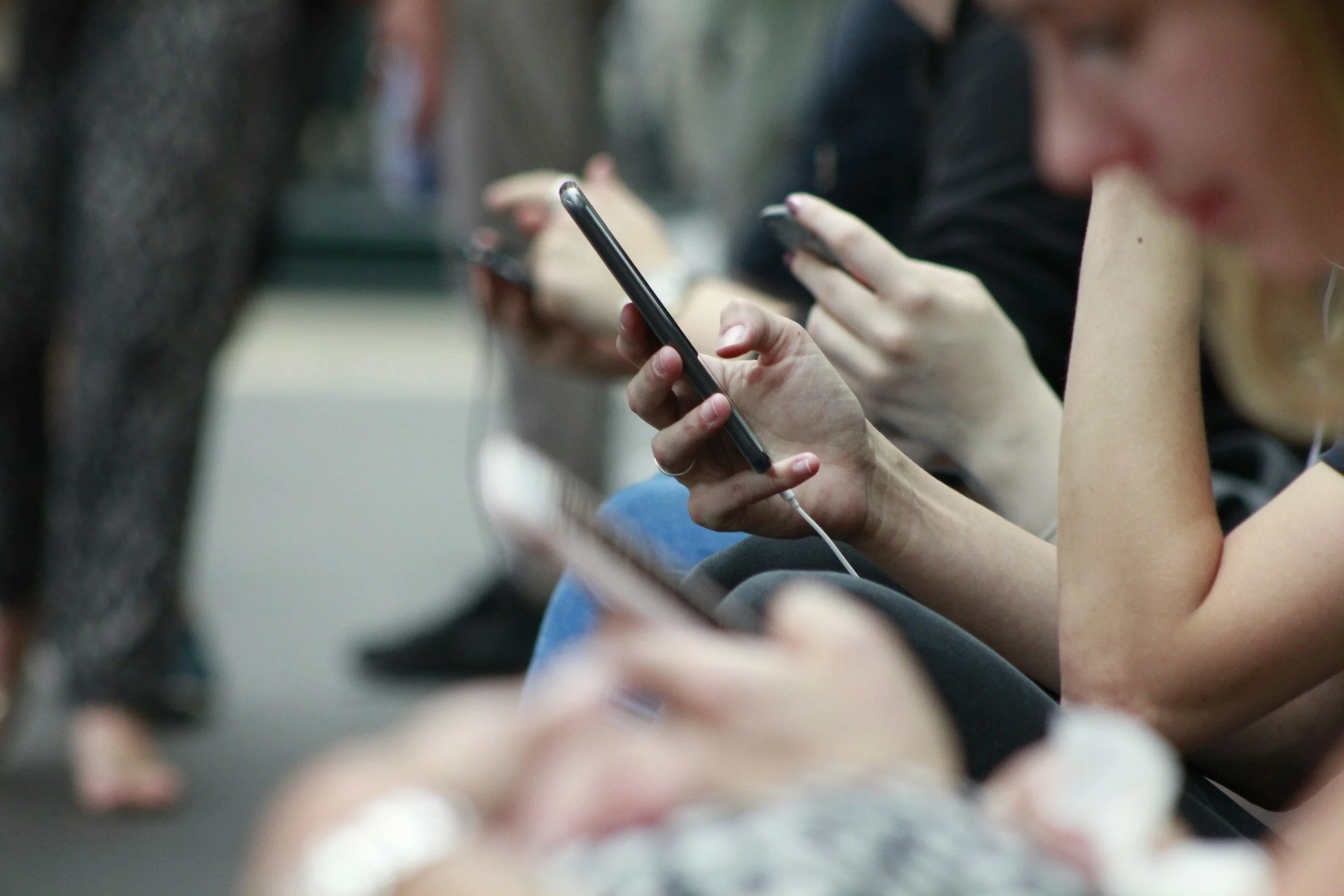
Career-related oversharing on social media refers to the practice of sharing detailed thoughts, experiences, opinions, or personal circumstances about one’s professional life on public or semi-public platforms. For professionals navigating LinkedIn, X (Twitter), Instagram, or even TikTok, this habit sits in a gray zone: it can build credibility—or quietly erode it.
Sharing work-related insights online can humanize your brand, attract opportunities, and strengthen your network. At the same time, revealing too much—especially emotionally charged, confidential, or impulsive content—can damage trust, stall career growth, or follow you long after you’ve moved on.

Protecting privacy while still being open
Professionals often forget that oversharing isn’t limited to words. Screenshots, documents, and files can expose more than intended. When discussing work experiences, anonymizing details is essential—names, logos, email addresses, and identifying metadata should be removed or obscured. This is especially important when sharing files or visual proof points; for example, before sharing PDF documents online, use the crop tool to remove personal details like names, email addresses, or phone numbers, ensuring privacy is maintained. Tools that support best practices to crop PDFs can help reduce unnecessary exposure while still allowing you to share useful context.
A helpful external resource worth bookmarking
For professionals who want to think more intentionally about digital boundaries, the Harvard Business Review regularly publishes evidence-based guidance on managing reputation, leadership presence, and communication in public spaces. One useful starting point is their leadership and communication section. It’s a grounded counterweight to the “share everything” culture.
FAQ
Is oversharing worse early or late in a career?
Early career professionals face higher risk because they have less established reputation capital. That said, senior professionals often have more to lose if trust is damaged.
Does platform choice matter?
Yes, but less than intent. LinkedIn posts are interpreted more professionally, while casual platforms still surface content publicly and can be screenshotted or shared elsewhere.
Can deleting a post fix the damage?
Sometimes—but not reliably. Screenshots and algorithmic memory mean posts can outlive their original publication.
Is vulnerability ever appropriate?
Yes, when it’s framed around growth, learning, or resolved challenges rather than raw emotion or blame.
Career-related oversharing isn’t inherently good or bad—it’s contextual. Professionals benefit most when they replace impulse with intention and emotion with perspective. Thoughtful transparency builds trust; unfiltered disclosure erodes it. In a connected world, discretion remains a career skill.

What’s Out: Virtual Happy Hours
Remember the awkward Zoom happy hours of 2020? Those are staying in the past. Forced virtual socialization often feels like just another meeting. By 2026, companies will prioritize intentional, in-person gatherings.
Instead of weekly video calls with mandatory fun, organizations will fund quarterly or bi-annual retreats. These events focus on deep team bonding, strategy planning, and genuine connection. The budget saved on office leases goes toward creating memorable experiences.
What’s In: Soft Skills Mastery
In a remote-first world, soft skills become hard currency. Technical skills get you the job, but soft skills help you keep it and grow. Emotional intelligence, empathy, and adaptability top the list for 2026.
Without body language cues, reading the digital room is harder. You must sense tone in text and listen actively during calls. Empathy allows you to understand a colleague’s delay due to a sick child or a power outage.
Adaptability is nonnegotiable. Technology changes fast. New tools emerge constantly. The ability to learn, unlearn, and relearn determines success. Coaching services, like those offered by Coach Nadia, can help you hone these essential human skills, ensuring you thrive no matter how much the tech evolves.
What’s Out: One-Size-Fits-All Benefits
Standard benefit packages won’t cut it. A gym membership near the HQ is useless to a remote worker three states away. In 2026, flexible perks will dominate workplaces.
Employees will choose from a menu of benefits that suit their lifestyle. One person might want a subsidy for childcare, while another prefers a budget for home office upgrades. Another might prioritize mental health support or a subscription to a coworking space.
Future-Proofing Your Career
The trends for 2026 point toward a more human-centric way of working. Technology serves us, not the other way around. We are moving away from rigid control and toward trust, autonomy, and flexibility.
Embrace these changes. refine your communication, organize your workspace, and prioritize your well-being. Whether you’re launching a startup or climbing the corporate ladder, aligning with these shifts will set you up for long-term success.
The future of work is bright, and it’s yours to design. What’s in and out for your remote work setup this year?