What Businesses Need to Know Before Investing in Paid Advertising
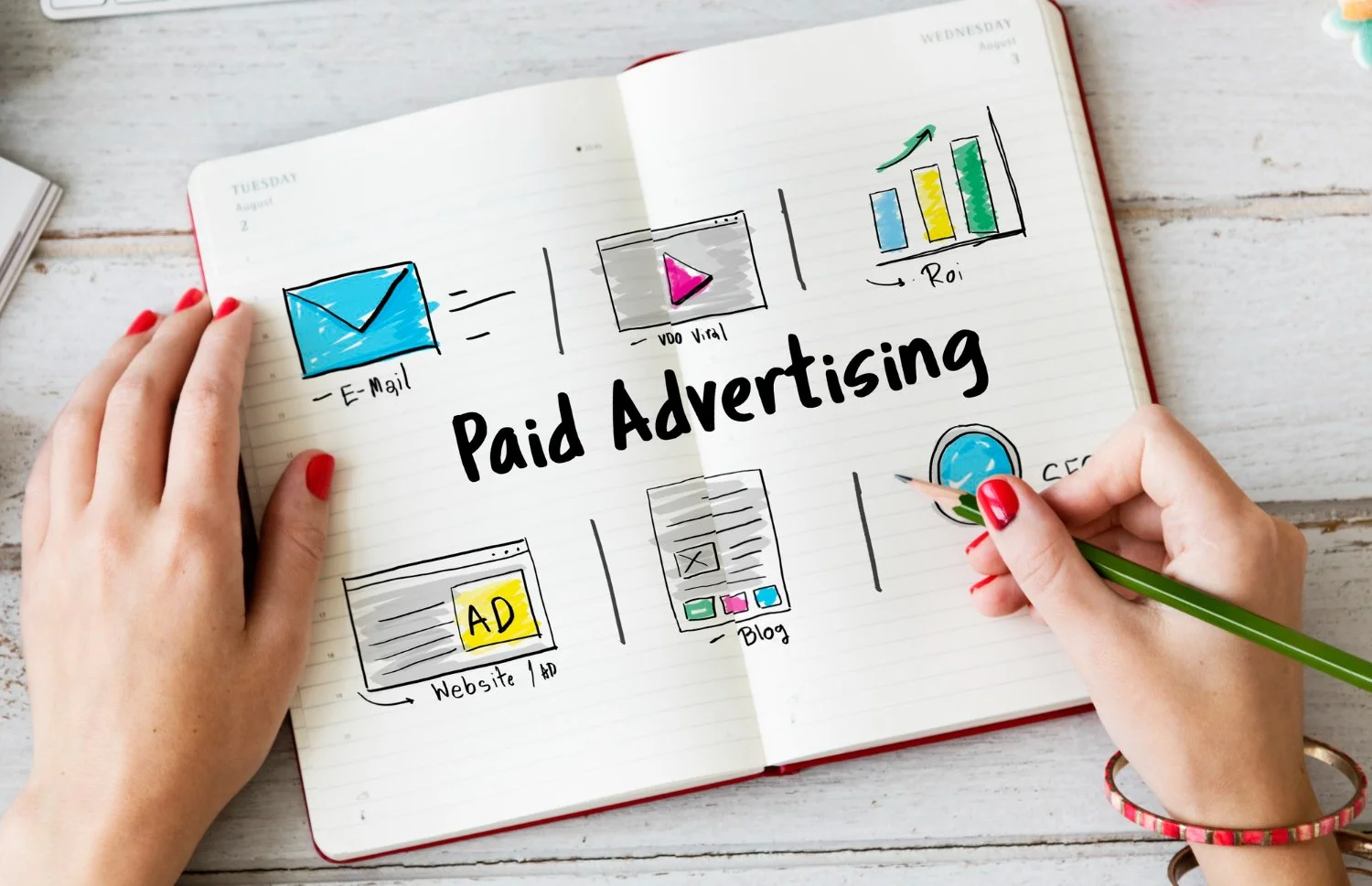
Paid promotion feels tempting when growth slows or competition increases. Many teams expect quick traffic, instant leads, and fast returns. That expectation creates frustration when results feel uneven or unclear. Digital ads work best with planning, patience, and realistic thinking. Without preparation, budgets disappear with little learning gained. That outcome damages confidence and future decisions.
This article explains what to understand before committing spend. Each section builds clarity around goals, costs, and preparation. Readers will learn how to approach promotion with structure and confidence. The focus stays practical, simple, and easy to follow. These insights help reduce waste and improve early outcomes.

What Paid Advertising Really Means for Growth
Paid advertising is a way for businesses to place their message in front of the right people, at the right time, by paying for visibility. It includes search ads, social media promotions, and display placements. Unlike organic efforts, paid campaigns deliver faster exposure. They work best when aligned with clear business goals. Some brands focus on lead generation, while others aim for direct sales or stronger brand awareness. When planned properly, paid advertising supports growth without relying on guesswork.
To make this approach effective, businesses need structure and expertise behind every campaign. Working with a trusted PPC Agency helps ensure budgets, targeting, and messaging stay aligned with goals. Many companies turn to specialists like Lever Digital to guide strategy and execution. With the right support, paid promotion becomes a measured investment rather than a risky expense. This clarity sets realistic expectations for performance and long-term results.
Define Clear Goals Before Spending
Clear goals shape every successful campaign decision. Without direction, performance feels confusing and difficult to judge. Some teams want inquiries, while others want direct sales growth. Goals decide messaging, platform choice, and budget pacing. They also help measure progress without emotional reactions. Setting goals early creates focus and accountability across teams.
Well-defined goals also prevent wasted spending. Teams avoid chasing vanity metrics without business value. Progress becomes easier to explain and review. Goals guide testing and improvement decisions over time. This clarity builds confidence during early learning stages. Strong planning always begins with knowing the desired outcome.
Clear goal benefits include:
Better budget control and pacing decisions
Easier performance tracking and evaluation
Improved alignment across marketing and sales teams
When goals remain clear from the start, every decision feels more intentional. This structure helps teams stay focused and confident as campaigns evolve.

Understand the True Costs Involved
Spending includes more than daily budgets alone. Competition affects pricing and required bids. Testing periods also require patience and learning time. Results rarely appear immediately during the early stages. This reality surprises many teams without preparation. Understanding costs protects long-term confidence and commitment.
Additional effort includes optimization, creative updates, and reporting review. These tasks support steady improvement over time. Ignoring them leads to stagnant performance. Costs should be viewed as learning investments, not quick transactions. This mindset reduces frustration during early fluctuations. Preparation creates realistic expectations from the beginning.
Know the Target Audience Well
Audience clarity improves relevance and reduces wasted exposure. Understanding intent shapes stronger messaging and offers. Age, interests, and behavior matter during planning stages. Messaging feels natural when aligned with real needs. This connection improves engagement and response quality.
Clear audience understanding also improves budget efficiency. Ads reach people ready to respond or learn. Irrelevant impressions decrease over time. This focus supports healthier performance patterns. Teams make better creative decisions with clearer audience insight. Better understanding always leads to smarter outreach.
Choose the Right Advertising Platforms
Not every platform works the same way for every business. Search ads help reach people actively looking for solutions. Social ads work well for discovery and awareness. Display ads support visibility across websites and apps. Each option serves a different purpose. Choosing blindly leads to poor results and wasted spending. The right choice depends on goals and audience habits.
Focus matters more than presence everywhere. Spreading budgets too thin limits learning and impact. A smaller number of platforms allows better testing and improvement. Teams gain clearer insights and control. Over time, focused efforts deliver stronger performance. Expansion should happen only after early success is clear.
Key platform selection tips include:
Match platforms to buyer intent and behavior
Start small before expanding reach
Prioritize quality traffic over volume
When platforms align with goals, performance becomes easier to manage. This clarity supports better results over time.
Conclusion
Smart promotion begins with preparation, not urgency. Understanding structure prevents costly mistakes and frustration. Clear goals, realistic costs, and audience clarity guide better decisions. Each section builds confidence through planning and learning. When expectations match reality, progress feels steady and measurable. This approach supports healthier outcomes over time. Teams stay focused, patient, and informed throughout growth efforts. Thoughtful preparation always improves the value of every marketing investment.