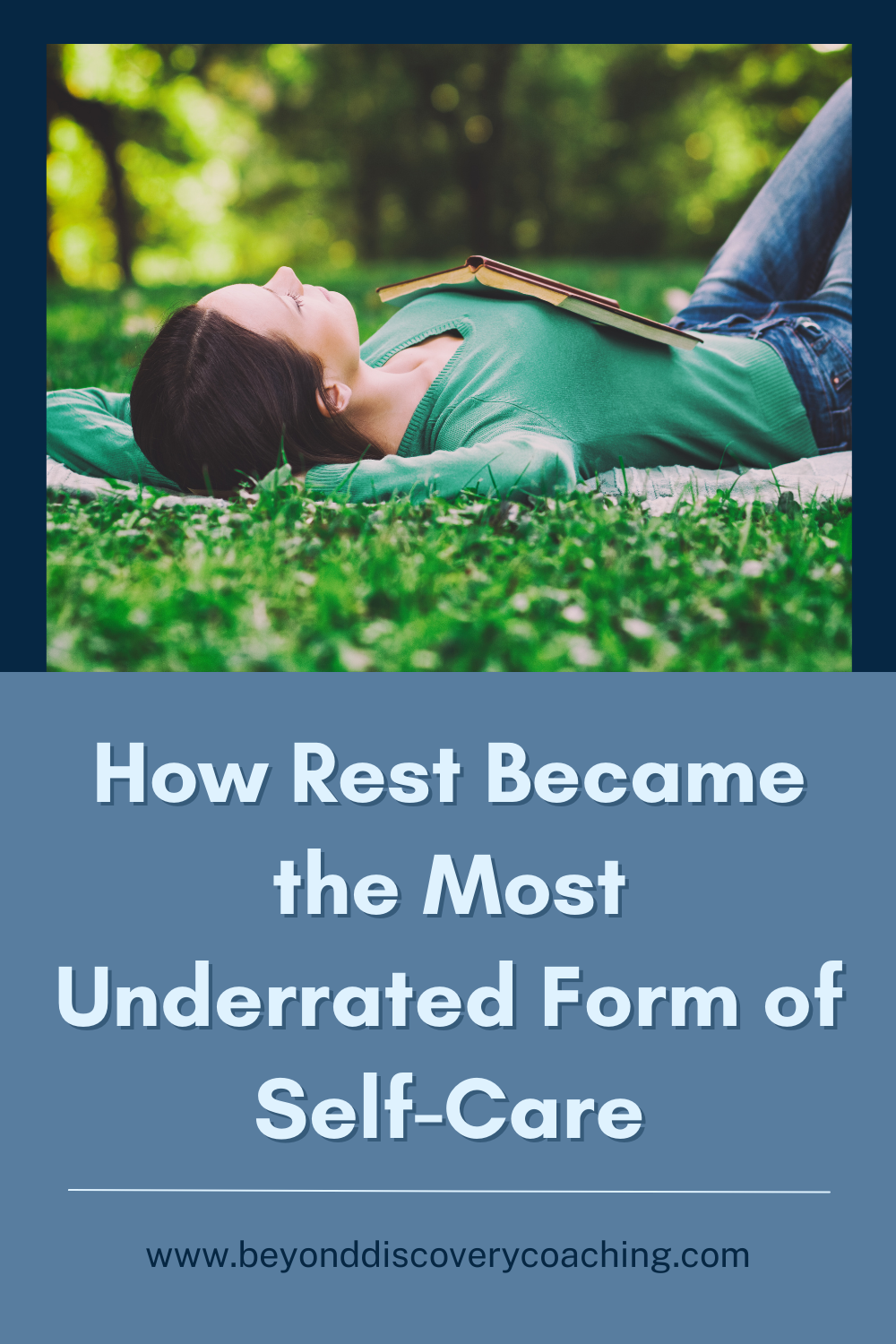
How Rest Became the Most Underrated Form of Self-Care
Self-care used to be simple.
It was a quiet coffee before the house woke up. A slow walk around the block. Sleeping in without guilt. Little pockets of calm that didn’t need a label or a checklist.
Then somewhere along the way, self-care turned into a performance.
Suddenly it came with rules. Morning routines that started at 5 a.m. Ice baths. Perfectly balanced schedules. Journals, planners, apps reminding you to “relax”—ironically making relaxation feel like another task to complete.
And while we were busy optimizing self-care, actual rest quietly slipped out of the picture.

When Being Exhausted Became Aspirational
We live in a culture that romanticizes burnout.
If you’re tired, it means you’re doing something important. If you’re busy, you must be successful. If you’re overwhelmed, at least you’re not lazy.
Being exhausted has somehow become a badge of honor.
“How are you?”
“Busy.”
“Tired.”
“Swamped.”
We say it like it’s normal. Like it’s expected. Like this is just what adult life is supposed to feel like.
But constant busyness doesn’t make life fuller. It just makes it louder. More chaotic. More draining.
And rest—real rest—gets treated like a luxury instead of a basic need.
The problem is, rest isn’t just sleep. It’s not something you can catch up on during a long weekend and call it fixed.
Rest is mental downtime. Emotional breathing room. Physical stillness. It’s the absence of pressure. The ability to exist without fixing, producing, improving, or proving anything.
And most of us almost never do that.
Rest Isn’t Lazy (Even If It Feels Like It)
Your phone dies if you don’t charge it.
Your laptop overheats if you push it too hard.
Your car breaks down if you never maintain it.
But somehow, we think we should just keep going indefinitely.
We ignore the signs—irritability, brain fog, constant fatigue, emotional numbness—and tell ourselves to push through. Drink more coffee. Work harder. Sleep later.
Sometimes rest really is doing nothing. Sitting still. Lying down without scrolling. Letting your body be quiet for once.
Other times, rest looks like removing friction from your life.
Maybe you’d love to sit outside more—but not when the sun is blasting directly into your face and you’re sweating through your clothes. Adding an outdoor awning or some shade suddenly turns an unbearable space into one that actually feels calming.
That’s rest too.
It doesn’t have to be some dramatic life overhaul. It can be small adjustments that stop your environment from draining you. Softer lighting. Less noise. Fewer notifications. A chair that doesn’t hurt your back.
Rest isn’t always about adding something. Often, it’s about taking things away.
The Emotional Part We Don’t Talk About Enough
Physical rest is only half the story.
The other half is emotional rest—and that’s the part most people avoid.
We walk around carrying a lot. Expectations from family. Pressure from work. Old insecurities. Unresolved conflicts. The constant need to appear “fine,” even when we’re not.
That kind of emotional weight doesn’t go away just because you slept eight hours.
Sometimes rest means letting yourself admit that you’re overwhelmed. That you’re struggling. That you don’t have everything under control—and maybe never will.
For a lot of people, emotional rest starts with talking to someone who actually listens. A therapist, for example. Someone whose job isn’t to fix you or judge you, but to help you untangle thoughts you’ve been carrying around for years.
Therapy gives you a space where you don’t have to perform. You don’t have to minimize your feelings or rush to solutions. You get to slow down emotionally, which is something most of us never do.
Rest can mean emotional safety. Relief. Being heard.
Not just taking a nap.

Why We’re So Bad at Resting
Most of us think rest has to be earned.
“I’ll rest after I finish this project.”
“I’ll relax once things calm down.”
“I’ll slow down when I’m more successful.”
The problem is, things rarely calm down on their own.
There’s always another deadline. Another responsibility. Another thing demanding your attention. Waiting for the “right time” to rest usually means never resting at all.
There’s also guilt.
If you grew up associating worth with productivity, rest feels wrong. Like you’re doing something you shouldn’t be doing. Like you’re wasting time you could be using more “efficiently.”
But what if rest wasn’t a reward?
What if it was maintenance?
What if you didn’t need to justify it?
What Self-Care Actually Looks Like in Real Life
Real self-care isn’t aesthetic.
It doesn’t always look good on social media. It’s not always calming or inspiring. Sometimes it’s inconvenient. Sometimes it’s boring. Sometimes it disappoints other people.
Real self-care is canceling plans when you’re exhausted—and not overexplaining why.
It’s going to bed at 9 p.m. even if you feel like you “should” stay up.
It’s saying no and letting the silence sit.
It’s choosing quiet over constant stimulation.
Simple over perfect.
Enough over more.
It’s recognizing when you’re running on empty and choosing to stop before you burn out completely.
Eventually, you start to realize something important: rest doesn’t set you back.
It keeps you functional.
It makes everything else possible.
The Quiet Rebellion of Rest
Choosing to rest in a world obsessed with productivity feels almost rebellious.
You’re opting out of the idea that your value comes from output. That you need to constantly prove your usefulness. That being busy is the same thing as being fulfilled.
Rest is choosing to listen to your body instead of overriding it.
To care about how you feel, not just what you produce.
To slow down in a culture that keeps yelling “faster.”
That’s not weakness.
It’s intelligence.
It’s self-respect.
It’s sustainability.
And maybe that’s why rest feels so uncomfortable at first—because it goes against everything we’ve been taught.
But once you allow yourself to truly rest, not as a reward but as a necessity, something shifts.
You don’t feel lazy.
You feel human.
And in a world that never stops asking for more, that might be the most underrated form of self-care there is.