How to Plan and Manage a Successful Professional Event
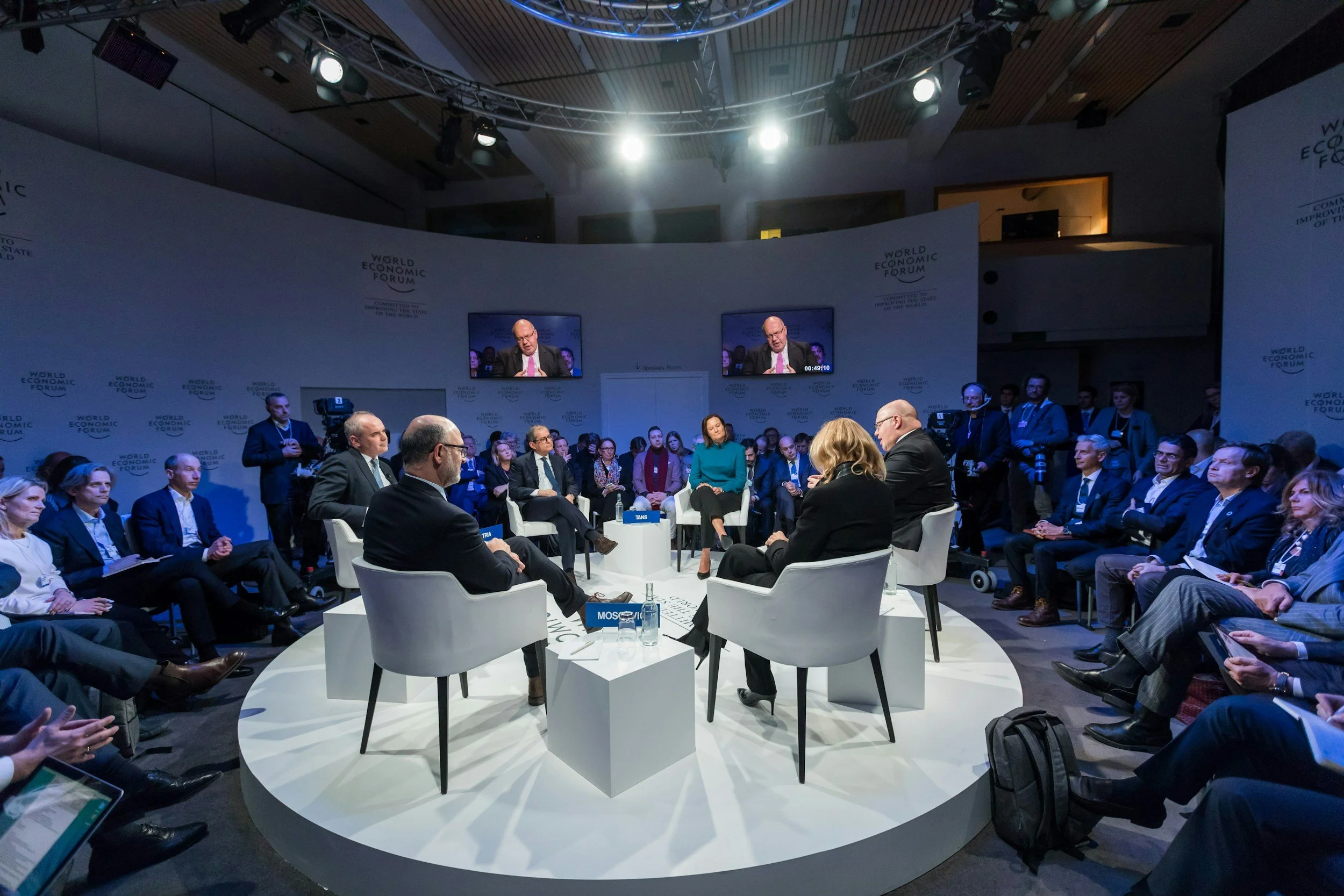
A well-run professional event depends on clear decisions, realistic timelines and people who know exactly what they’re responsible for. For a busy organiser, the challenge lies in maintaining that clarity while handling everyday work at the same time.
A practical event management system keeps planning under control without requiring you to monitor every detail yourself. It also gives suppliers, speakers and internal teams the information they need to deliver a consistent attendee experience.

The Stress of Event Planning
Event planning becomes stressful when dozens of small decisions compete for attention. Venue access, registrations, speaker requirements, catering, production schedules and last-minute attendee changes may all need answers within the same afternoon. If those details live across separate inboxes and documents, delays become almost inevitable.
Start by defining the event objectives before discussing formats or suppliers. A leadership conference might aim to generate 20 qualified client conversations, while an internal forum may focus on employee participation and knowledge sharing. Clear objectives help you reject ideas that add cost without supporting the event’s purpose.
Create one planning document that records the budget, timeline, owners and approval status. Add decision deadlines as well as delivery dates. For example, a presentation due on 12 June may need internal approval by 5 June and technical review by 8 June. That level of detail protects the final week from avoidable surprises.
Delegation for Efficiency
Effective delegation begins with ownership. Each task should have one named person responsible for its completion, even when several colleagues contribute. Shared responsibility often leaves everyone assuming that somebody else has confirmed the booking or checked the final document.
Assign work according to expertise and authority. A marketing colleague can manage invitations and attendee updates, while an operations team member coordinates venue access and supplier arrival times. Senior leaders should approve the budget, event purpose and key messages without being copied into every routine exchange.
A short weekly meeting can keep the team aligned. Review overdue items, decisions needed and risks that could affect cost or timing. Keep detailed discussion outside the meeting unless the whole group needs to contribute.
If you’re organising a business gathering, these tips for hosting a successful professional networking event can also help you shape introductions and guest interaction. Delegation works best when every owner understands the attendee outcome behind their assigned task.

Partnering for AV Excellence
Audiovisual planning deserves early attention because sound, lighting, screens, staging and streaming affect the venue layout and programme. Waiting until the final fortnight can limit equipment choices or reveal that a room lacks suitable access, power or sightlines.
For a conference, launch, or live event with several technical elements, working with a provider that offers a full AV service can simplify communication. A single production team can plan and operate sound, lighting, vision, staging, and streaming around the same event schedule. This reduces the risk of separate suppliers working from conflicting versions of the programme.
Share practical information early, including room dimensions, audience numbers, speaker formats and presentation ratios. Explain if remote guests will participate and identify content that needs to appear both in the room and online.
Schedule a technical rehearsal with the actual presentation files whenever possible. Test microphones, videos, walk-on cues and remote connections. A 45-minute rehearsal often exposes issues that written run sheets cannot, such as quiet audio, hard-to-read slides or slow speaker transitions.
Leveraging Technology Solutions
Choose event technology according to the problem it needs to solve. A 40-person workshop may only require registration software and a shared planning board. A multi-day conference could need attendee check-in, session booking, live updates and engagement reporting.
Keep the number of platforms manageable. Asking attendees to switch between several apps creates confusion, while multiple internal systems make version control harder. Select one central tool for schedules, contacts and task tracking, then decide which team members can edit it.
Build accessible event communications into your process from the beginning. Use readable type sizes, strong colour contrast and captions for recorded or streamed content. Registration forms should also give attendees a clear way to share access or dietary requirements.
Technology still needs a backup plan. Download presentation files locally, print essential contact details and prepare a manual check-in list. Nominate one person to handle platform issues during the event so the rest of the team can continue supporting guests and speakers.
Post-Event Review and Growth
Hold a review within five working days, while details remain fresh. Bring together the core team and assess the event against its original objectives. Attendance alone offers limited insight, so include measures such as session participation, attendee feedback, qualified enquiries, streaming views and budget variance.
Keep the discussion specific. Instead of recording that registration was difficult, note that the queue reached 18 minutes because only one check-in device was available. That observation leads to a practical change, such as adding a second device or opening doors earlier.
Ask suppliers and speakers for feedback too. They may identify unclear briefing documents, access delays or schedule gaps that attendees never saw. Record successful choices alongside problems, including the suppliers, room layouts and communication methods worth using again.
Finish with an action log that names an owner and due date for every improvement. Store it with the final budget, programme, contracts and attendee data so the next organiser has a reliable starting point. The most useful outcome of a post-event review is a better planning file waiting before the next date is announced.