The Strategic Office Upgrade: Elevating Everyday Culture and Convenience
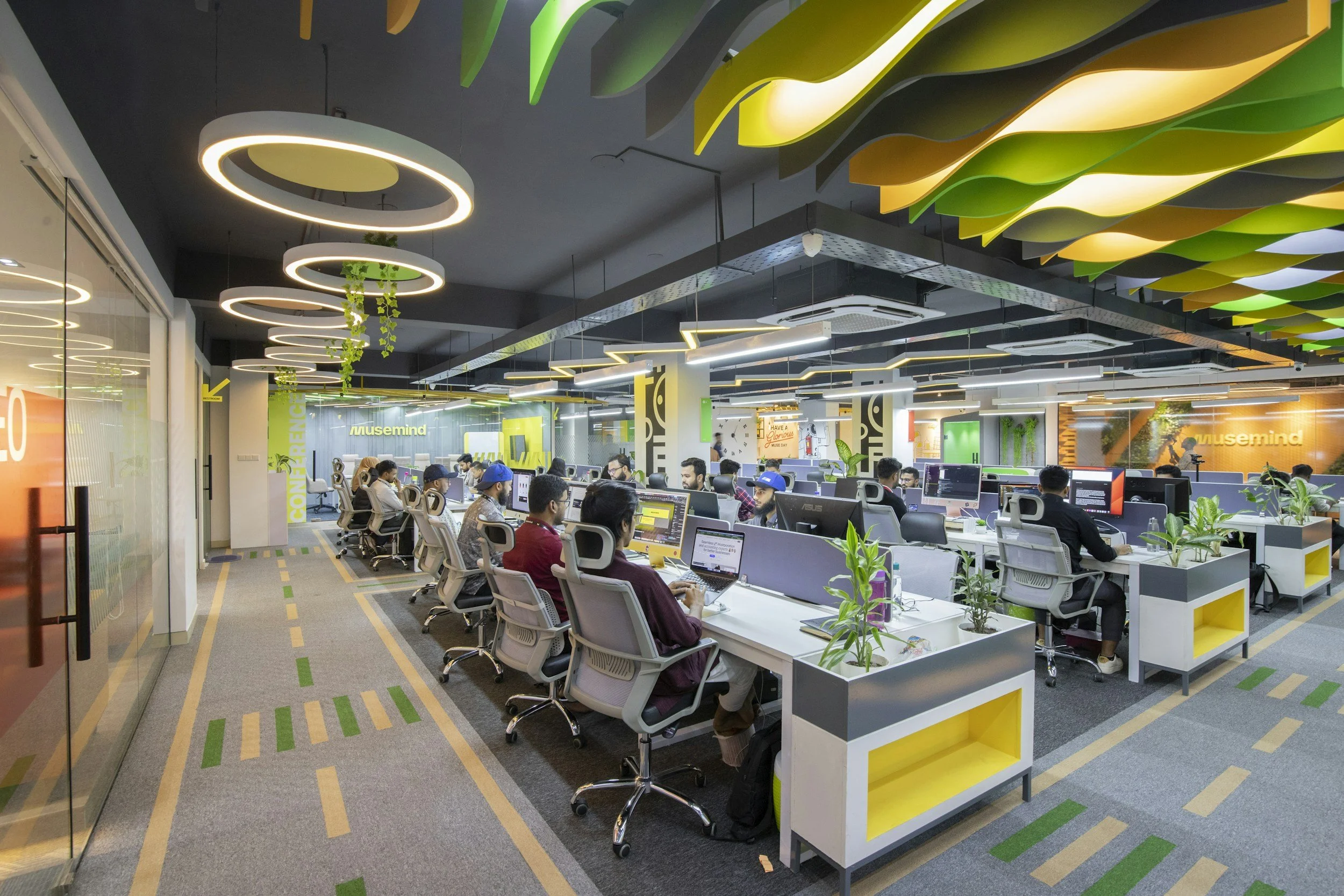
An office's culture is shaped far more by daily experiences than by the mission statement hanging in the lobby. Team-building events and company values are important, but the physical environment where your team spends forty hours a week sends a constant, subtle message. A thoughtfully designed workspace shows respect, boosts well-being, and removes the minor frustrations that can drain energy and focus over time. Upgrading your office isn't just about how it looks; it's a smart investment in your people and their performance.
Many leaders underestimate how seemingly small details in the workplace add up to create a powerful overall impression. From the quality of the coffee to having a quiet place to focus, these elements directly impact how satisfied employees are, how much they produce, and even how long they stay. When you intentionally design a space for convenience and comfort, you're not just offering perks; you're building a strong foundation for a healthier, more engaged company culture.

Beyond the Paycheck: Why Your Office Environment Matters
While a competitive salary and benefits package are standard expectations, the quality of the work environment is a powerful differentiator. It influences how employees feel about their job every single day. A drab, uncomfortable, or inconvenient office can create underlying stress and signal to your team that their well-being isn't a priority. On the flip side, an environment that is clean, comfortable, and well-equipped shows that you value them as people, not just as workers.
This directly affects morale and engagement. When employees feel physically comfortable and mentally supported by their surroundings, they can focus, innovate, and collaborate better. Things like ergonomic chairs, proper lighting, and good air quality aren't luxuries; they are essential tools for preventing physical strain and mental fatigue. A positive physical environment leads to a positive psychological one, reducing absences and fostering greater loyalty. It’s a tangible way to live out your company’s values and show your team you’re invested in their long-term success.
Fueling Success: The Power of a Well-Stocked Break Room
One of the most effective and appreciated office upgrades addresses a universal need: daily sustenance. The afternoon energy slump is a real phenomenon that can tank productivity. When employees have to leave the building and spend their own time and money to find a decent snack or a good cup of coffee, it disrupts their workflow and adds a small but persistent frustration to their day. A well-stocked break room or pantry turns this hassle into a valued convenience.
Providing quality coffee, healthy snacks, and refreshing beverages on-site is a simple gesture with a high return. It keeps your team energized, focused, and on-campus, encouraging informal interactions that build camaraderie. For businesses looking to implement this, modern vending services offer everything from traditional machines with healthy options to full-scale micro-markets that function like mini convenience stores. This simple upgrade meets a daily need, saves your employees time and money, and clearly shows your commitment to their well-being, turning the break room into a hub of positive company culture.
Designing for Focus and Collaboration
The modern workplace needs a delicate balance between individual focus and group collaboration, yet many office layouts prioritize one over the other. The long-standing debate over open-plan offices highlights this challenge. While they can encourage communication, they often create a distracting environment that makes deep work nearly impossible. A more strategic approach is a multi-functional space with distinct zones for different types of work.
The impact of office design on employee productivity is significant. A successful layout might include:
Quiet Zones: Designated areas where talking is discouraged, allowing for heads-down, concentrated work.
Collaborative Hubs: Comfortable seating areas with whiteboards and large screens that invite spontaneous brainstorming and team meetings.
Private Spaces: Small phone booths or single-person rooms for confidential calls and virtual meetings, preventing disruptions to others.
Investing in ergonomic furniture is also critical. Adjustable desks, supportive chairs, and monitor stands help prevent the physical discomfort that can lead to distraction and long-term health issues. By providing a variety of work settings, you empower employees to choose the environment that best suits their task, boosting both their comfort and their output.

Let There Be Light (and Plants!)
Never underestimate the power of nature to improve the office atmosphere. Biophilic design, which incorporates natural elements into built environments, has been proven to have profound positive effects on employee well-being. One of the most critical elements is natural light. Studies have consistently shown that employees in offices with ample windows and natural light report less eye strain, fewer headaches, and better sleep quality. In fact, access to daylight is often cited as the #1 office perk, outranking even on-site cafeterias and fitness centers.
Alongside light, incorporating live plants can transform a sterile office into a more vibrant and calming space. Plants are natural air purifiers, helping to improve indoor air quality by filtering out common pollutants. Their presence has also been linked to reduced stress levels, improved concentration, and a general boost in mood. You don't need to turn your office into a jungle; even a few well-placed, low-maintenance plants in common areas and on desks can make a noticeable difference, making the workspace feel more human and less institutional.
The Strategic Details: Location and Layout
An employee's experience of the office begins before they even walk through the door. The physical location of your workspace has a major impact on daily life, influencing commute times, stress levels, and access to outside amenities. A strategic office location that is easily accessible via public transit or has ample parking can significantly reduce a major source of daily frustration for your team. Proximity to lunch spots, banks, and other services also adds a layer of convenience that employees appreciate.
Once inside, the internal flow and layout are just as important. A poorly planned office can create literal and figurative roadblocks. Are high-traffic areas constantly congested? Do employees have to take a long, winding path to get to the printer or the break room? These may seem like minor issues, but the cumulative effect of daily navigational hassles can be draining. A well-designed floor plan promotes intuitive movement, places frequently used resources in central locations, and ensures that collaborative areas don't interfere with quiet work zones. Thoughtful planning of the office's macro-location and micro-layout removes friction and helps the workday run more smoothly.
Creating a Culture of Convenience
Ultimately, each of these upgrades, from snacks and coffee to natural light and smart layouts, contributes to a broader culture of convenience. This culture is built on anticipating your employees' needs and proactively removing small obstacles from their day. When an organization takes care of the little things, it frees up employees' mental and emotional energy to focus on the big things: solving problems, being creative, and driving the business forward.
This approach sends a powerful message that you trust your team and respect their time. Instead of having to problem-solve their own comfort and basic needs, they can rely on the work environment to support them. This fosters a sense of psychological safety and mutual respect, which are cornerstones of any high-performing team. These strategic conveniences are not frivolous expenses; they are investments in an environment where people can do their best work without unnecessary friction.
A truly great company culture is one that is felt, not just talked about. Taking a strategic look at your physical workspace and making intentional upgrades helps you create an environment that actively supports your team's health, happiness, and productivity every single day. The most meaningful changes often start with simply asking: "How can we make our team's day just a little bit easier?"